
Signs of psychological overload – what should workplaces look out for?
Signs of psychological overload rarely appear as one obvious symptom. More often, they are small changes in the body, thoughts, emotions, and behaviour that develop so gradually that both the person affected and their colleagues become accustomed to them.
Here, you can learn about 20 warning signs in individuals and 10 signs in teams, why they are so often overlooked, and what workplaces can do when they recognise them.
WHAT ARE THE SIGNS OF PSYCHOLOGICAL OVERLOAD?
We refer to these signs as warning signs. A warning sign is a physical or psychological reaction that a person may notice themselves or that others may observe. A single warning sign does not mean someone is ill. But when several signs appear at the same time, they may indicate that the level of strain has become too great.
The more warning signs there are, the greater the risk, and the more important it becomes to stop and take a closer look at the situation. Many of these signs can be associated with different conditions. Sleep problems, for example, may be a sign of stress, burnout, or reactions following distressing experiences. This can make it difficult for the person affected to understand what is happening to them.
We use the term psychological listing to describe what happens when strain becomes too great over time. Just like a ship with an unevenly distributed load, a person may begin to lean long before they eventually capsize.
20 SIGNS OF PSYCHOLOGICAL OVERLOAD IN INDIVIDUALS
In our Handbook of Strain Psychology, we divide the 20 warning signs into four groups of five.
FIVE PHYSICAL SIGNS
- Constantly on alert. Being easily startled by sounds or sudden movements, as though something dangerous is about to happen.
- Physical restlessness. Impatience and a constant feeling of needing to move on to the next thing.
- Sleep problems. Difficulty falling asleep, waking during the night or too early in the morning, and waking up feeling unrefreshed.
- Changes in appetite or desire, or increased use of alcohol, tobacco, or medication. Changes in appetite or interest in activities and sex, or an increase in substance use.
- Exhaustion and physical discomfort. Physical and mental fatigue, often accompanied by headaches, stomach aches, or dizziness. This can also happen even when someone is sleeping well.
FIVE SIGNS IN THINKING
- Poorer concentration and memory. Finding it difficult to manage tasks, remember appointments, or follow a conversation.
- Reduced creativity and more black-and-white thinking. Losing a curious and open-minded approach, both at work and in personal life.
- Intrusive images. Images of things someone has seen or heard about appearing in their mind without warning.
- Racing thoughts. Thoughts going round and round without direction, often in the evening when trying to fall asleep.
- Feeling disconnected from yourself. Not feeling fully present, as though you are sitting under a glass dome.
FIVE EMOTIONAL SIGNS
- Helplessness. Feeling that nothing you do is ever enough. This may alternate with the opposite feeling: that you are the only person capable of doing the job properly.
- Fear and worry. Seeing danger everywhere, even when there is no reason to, and becoming easily tearful.
- Anger. Having a short temper and being quick to assume that others are against you.
- Guilt and self-blame. Feeling responsible for things that no one could reasonably be expected to handle.
- Indifference and cynicism. Gradually changing your perception of what is serious, so that stories that once affected you no longer do.
FIVE SIGNS IN RELATIONSHIPS AND BEHAVIOUR
- Reduced empathy. Finding it harder to understand and empathise with others, sometimes to the point of feeling completely emotionally numb.
- Less desire for closeness. Both physical and emotional intimacy may begin to feel demanding.
- Less energy for social activities. Things you once looked forward to start feeling like obligations.
- A darker view of the world and yourself. Losing faith that the world is reasonably safe and fair, and feeling increasingly vulnerable.
- No longer talking about work, or talking about it constantly. Both can be warning signs.
Many of these signs first become noticeable at home. It is often a partner, a child, or a sister who first points out that something has changed.
SIGNS OF PSYCHOLOGICAL OVERLOAD IN TEAMS
Psychological overload does not only affect individuals. An entire team can also become overloaded. These 10 signs may indicate that a team is under excessive strain:
1. Loss of motivation and lack of initiative
2. Difficulty making decisions, both big and small
3. Low productivity
4. Conflicts and the formation of cliques
5. Scapegoating, both among employees and within management
6. Poor relationships with external partners and collaborators
7. A harsh and derogatory tone when talking about the people the work is intended to help (read more about workplace callousness)
8. Increased sickness absence and high staff turnover
9. Anger, complaints, and dissatisfaction
10. Humour that hurts others
Some of these signs may have been present for so long that they are seen as part of the workplace culture. A harsh tone is a good example. It gradually becomes normalised until no one notices it anymore. A harsh and derogatory tone is very often a sign that employees are overloaded and need support.
Humour can strengthen a team and provide relief from demanding work. But it becomes harmful when someone who objects to a joke is told that they are being too sensitive.
WHY ARE THE SIGNS OF PSYCHOLOGICAL OVERLOAD OVERLOOKED?
Most of the signs are not visible to others, and they develop so slowly that they become part of everyday life. Under pressure, both managers and employees also tend to appear unaffected, even when they are struggling.
Some signs can even look like strengths. Black-and-white thinking may be mistaken for being sharp and getting straight to the point, particularly in an experienced employee. And the colleague who never takes time off because no one else can handle the work may appear highly committed, even though this can be a sign that the strain has become too great.
Similarly, complaints within a team may be dismissed as negativity or difficult employees. But complaining can be a sign of overload and should be taken seriously before it spreads.
WHEN YOU RECOGNISE THE SIGNS: HOW WORKPLACES SHOULD RESPOND
Describe what you have noticed. Ask how your colleague is doing without trying to make a diagnosis. A single sign is not necessarily a problem in itself, but several signs appearing together are worth discussing.
Look at the work itself. Examine what the individual or team has been dealing with: caseloads, tasks handled alone, distressing incidents, and cumulative strain over time. The signs are reactions to strain, not a question of how strong an individual is.
Treat warning signs in teams as signals about working conditions. Complaints, conflicts, and a harsh tone can tell you something about the strain the group is experiencing.
Know when professional help is needed. If the signs persist or become worse, the person affected should seek support through their workplace health scheme, GP, or a psychologist.
At the Institute for Strain Psychology, we teach workplaces how to recognise warning signs and respond to them collectively. Learn more about our workplace training courses.
Digital implementation courses for professionals in psychologically demanding work

Foundation Course in Strain Psychology
For a holistic approach to managing everyday high emotional demands and exposure to potentially traumatic events.

Foundation Course in Psychological First Aid
For collective crisis response when something unexpected happens — and the group must manage an extraordinary psychological strain together.
Foundation Course in Psychological Safety
Ensuring that tools and methods truly work in practice — rather than remaining well-written policies in contingency plans.

Foundation Course in Psychosocial Prevention
Creating a shared understanding of what proactive, collective prevention looks like in daily practice.
Q&A: Signs of Psychological Overload
WHAT ARE THE EARLY SIGNS OF PSYCHOLOGICAL OVERLOAD?
They vary from person to person. Many people first notice sleep problems, physical restlessness, difficulty concentrating, or a shorter temper. Often, it is the people closest to them at home who first notice the changes, because the signs develop so gradually that the person affected becomes accustomed to them.
WHEN SHOULD YOU SEEK PROFESSIONAL HELP?
If the signs persist or become worse. This includes sleep problems that do not go away, increasing self-criticism or feelings of guilt, withdrawing from others, using alcohol or medication to cope, or when loved ones express concern. Help may be available through a workplace health scheme, a GP, or a psychologist.
IS PSYCHOLOGICAL OVERLOAD THE SAME AS STRESS?
Stress is one of several conditions that psychological overload can lead to. Others include burnout, mild anxiety, mild depressive symptoms, and increased use of alcohol or medication. The signs described in this article may be early warnings that one of these conditions is developing.
CAN AN ENTIRE TEAM EXPERIENCE PSYCHOLOGICAL OVERLOAD?
Yes. An entire team can become overloaded. This may show up as a lack of initiative, conflicts, scapegoating, a harsh tone when talking about the people they help, and humour that hurts others. These signs may have become part of the workplace culture, but they can be changed.
WHAT SHOULD I DO IF I NOTICE SIGNS OF PSYCHOLOGICAL OVERLOAD IN A COLLEAGUE?
Describe what you have noticed and ask your colleague how they are doing. If you are concerned, speak to your manager or workplace health and safety representative. The responsibility for responding to these signs lies with the workplace, not just with you or the colleague affected.
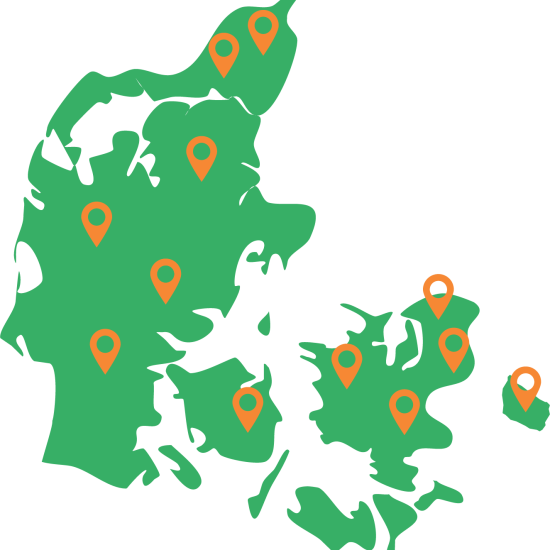
We collaborate with
out of 98 municipalities
70
Danish regions
5
professionals and leaders at all levels have gained knowledge of strain psychology
100000
… as well as a wide range of public and private organisations.
Selected partners include:








A team of experts
...close to your everyday reality
When you book a consultant from the Institute for Strain Psychology, you meet an engaged and experienced specialist with deep professional knowledge and a strong commitment to practice.
Our consultants communicate complex knowledge about strain psychology with clarity, presence, and professional depth — always grounded in a holistic perspective.
Newsletter
Let’s stay connected
Sign up to receive updates on professional trends, research insights, and upcoming events.