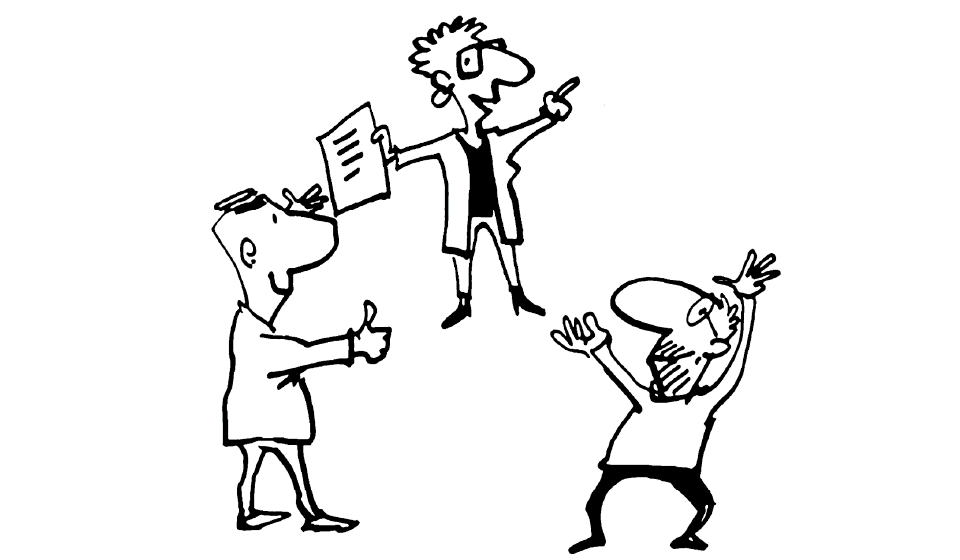
Prevention Hero of the Month: I wish I’d known that
Prevention Expert of the Month: I wish I’d known that Wi-Fi, the coffee machine and access cards are usually covered during the induction. But how does a new colleague learn...
Prevention Expert of the Month: I wish I’d known that Wi-Fi, the coffee machine and access cards are usually covered during the induction. But how does a new colleague learn...
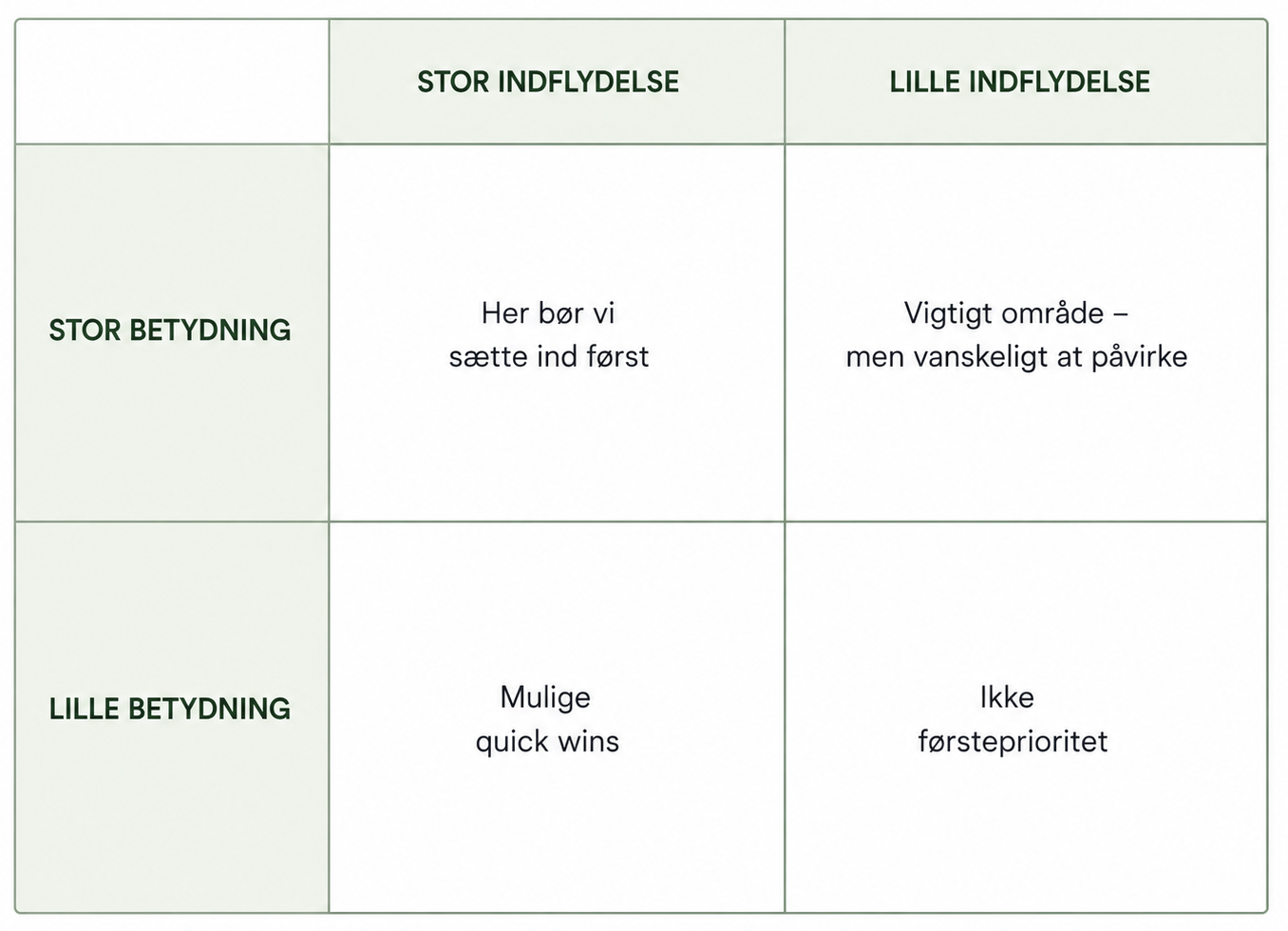
Prevention Tool of the Month: The Leadership Landscape – Where Should We Focus Our Efforts? Managers’ psychosocial work environment is not only about the individual manager. It is also about the conditions under which the leadership role...
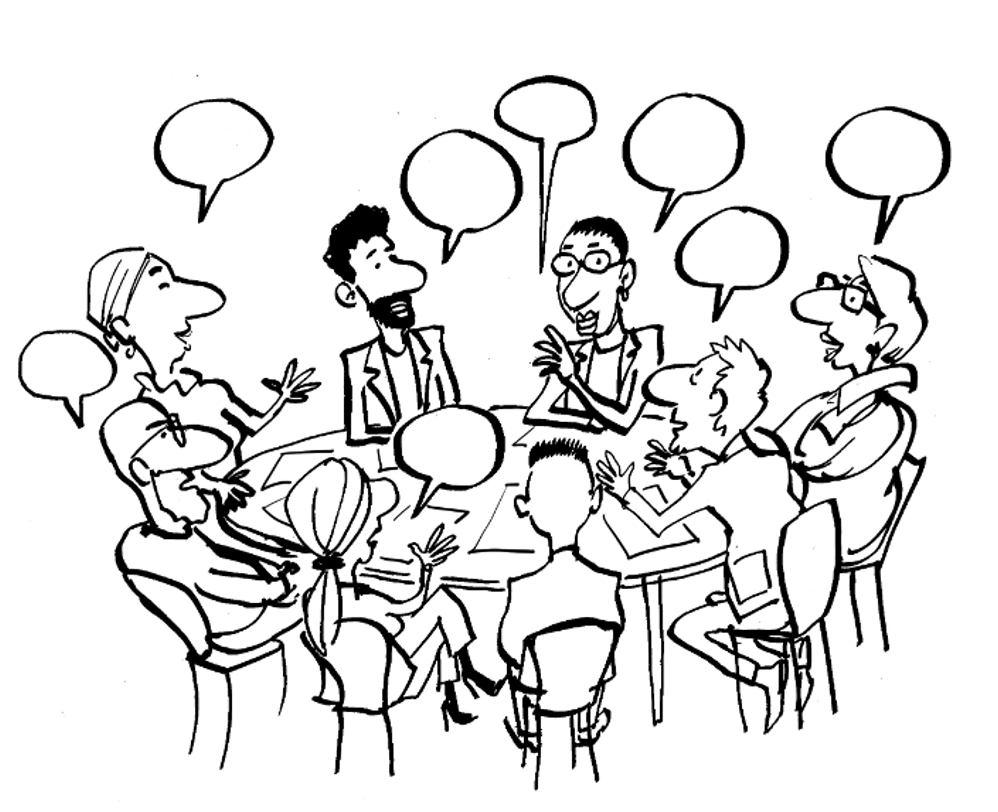
Prevention Tool of the Month: Shift the Language – From Weakness to Professional Practice Purpose: To explore how you talk about support, strain and relying on one another – and...
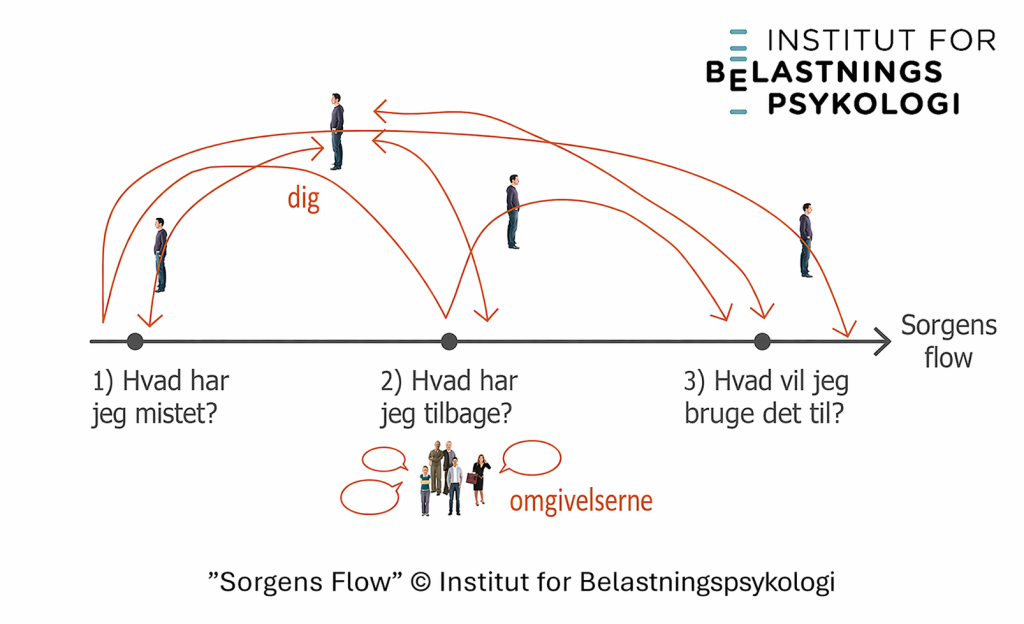
Prevention Tool of the Month: Prioritisation and Change Involve Loss When we prioritise at work, it brings change. Some things become possible, while others have to take a back seat....
In many workplaces, decisions are only judged “correct” once the outcome is known. When things go well, skill is praised. When things go less well, we look for the mistake. But the outcome rarely tells the whole story. This exercise can be used with your staff group or in a team meeting to raise awareness of where luck and chance play a role – and where a decision was actually professionally well-founded.
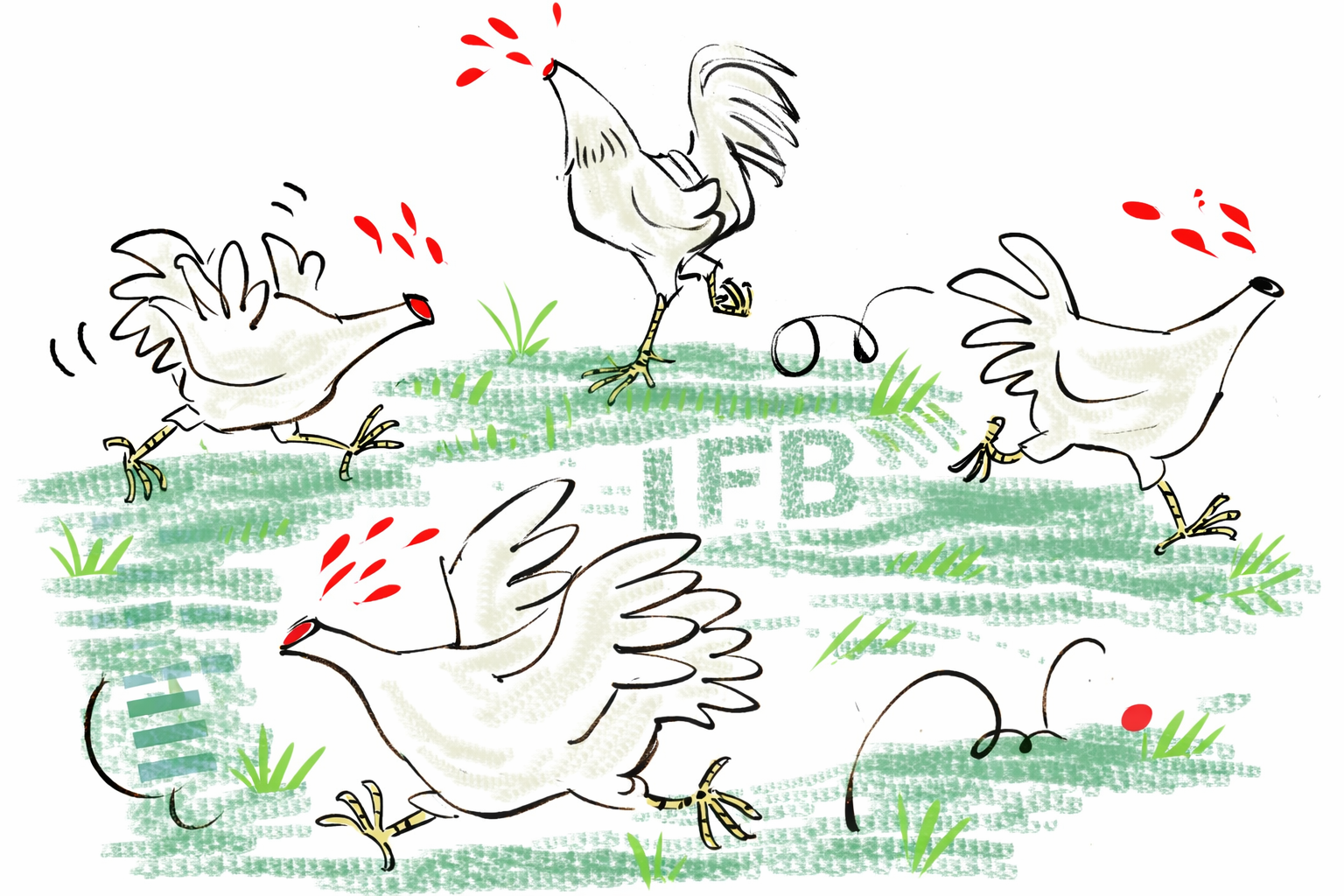
Raising shared awareness of the beliefs that can make taking breaks feel risky – for example, the fear of appearing lazy or unprofessional – which can lead to a high-paced workflow without natural pauses and, in the worst case, turning into a “headless chicken.”

Prevention Specialist of the Month: The Temperature of Powerlessness Powerlessness is part and parcel of the work in many professions. But it is not experienced in the same way by everyone – some situations are bearable,...
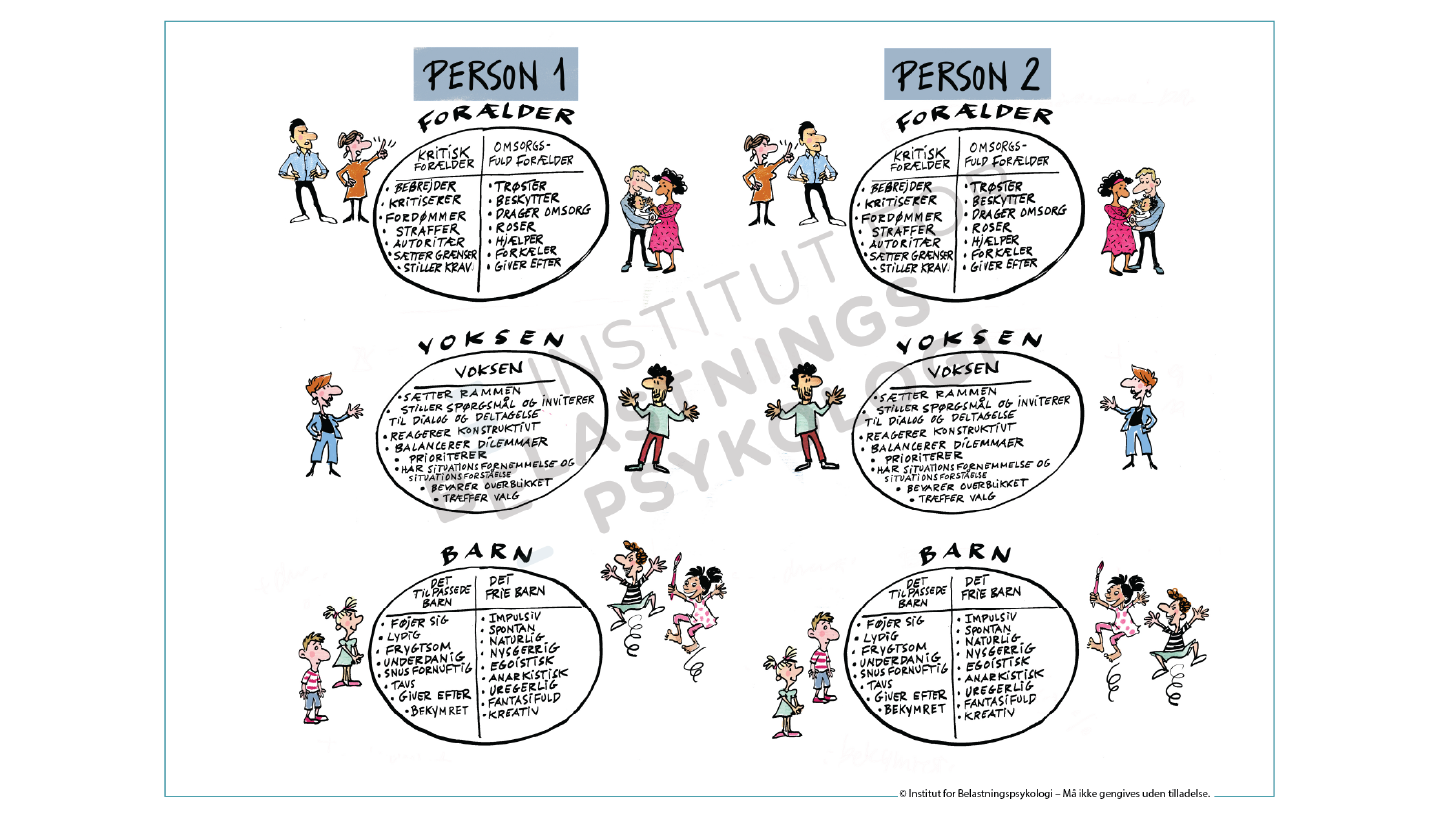
Transactional Analysis describes that we all communicate from three ego states: Parent, Adult, and Child. This is not about right or wrong – all three are important parts of us. But under pressure, we can lose balance and get stuck in one of them.
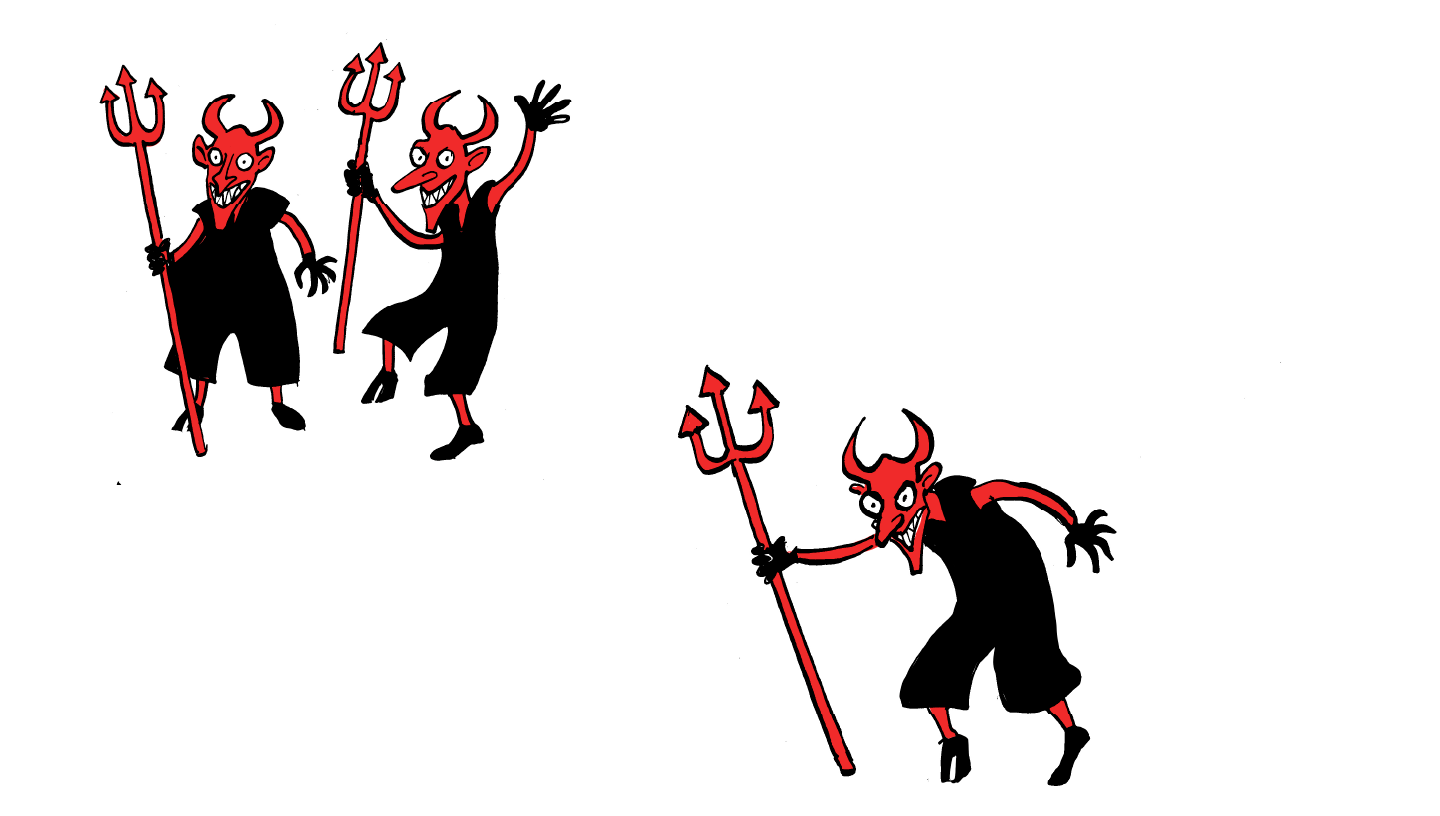
The devil’s advocate is a dialogue exercise designed to train tolerance for professional disagreement. In this simple version, it’s well suited to open up an open and constructive conversation within a team.
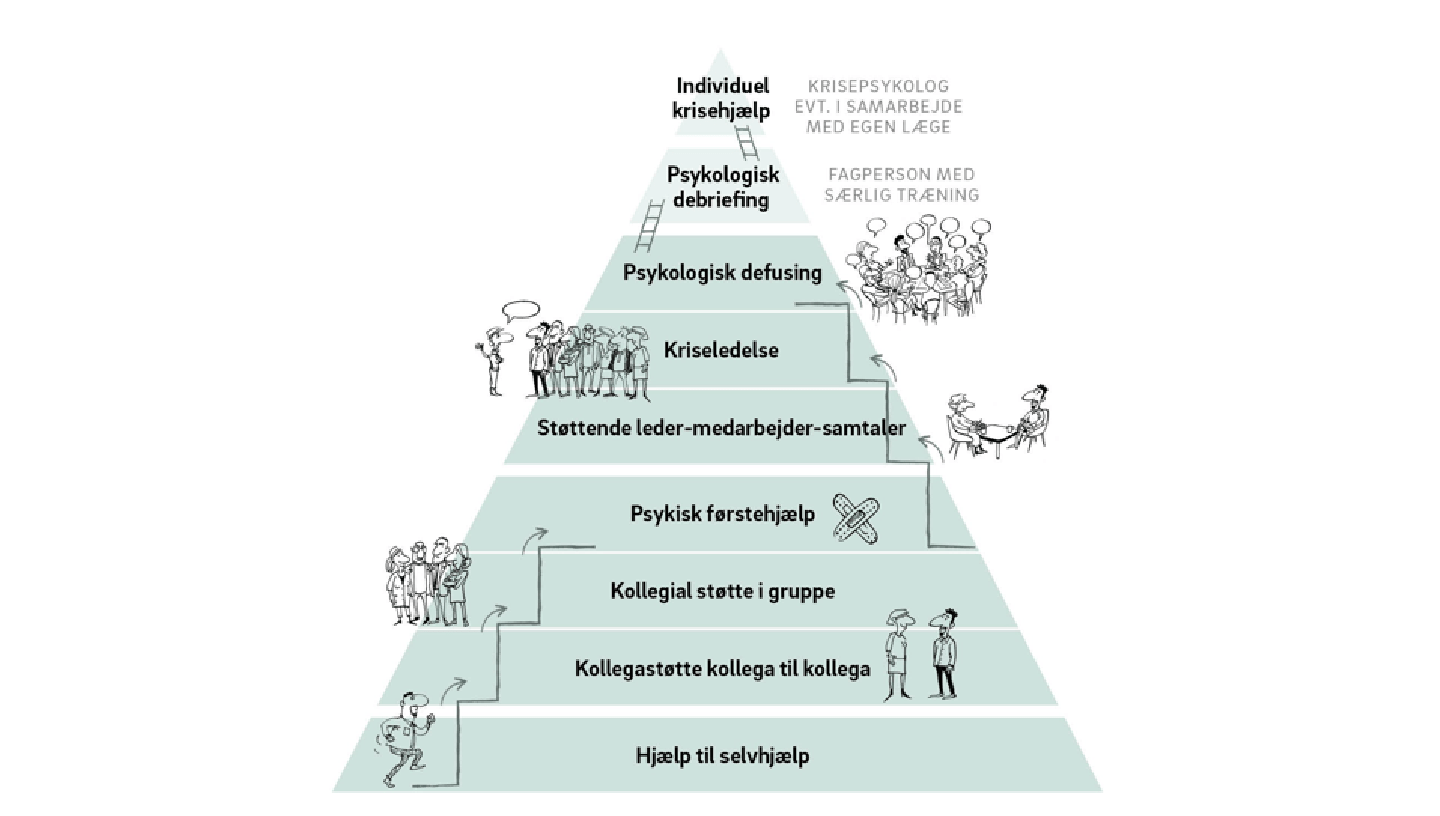
The support pyramids are models for collective crisis management. The step models illustrate how different forms of help and support can work together when an individual or group is affected by acute or cumulative stress.
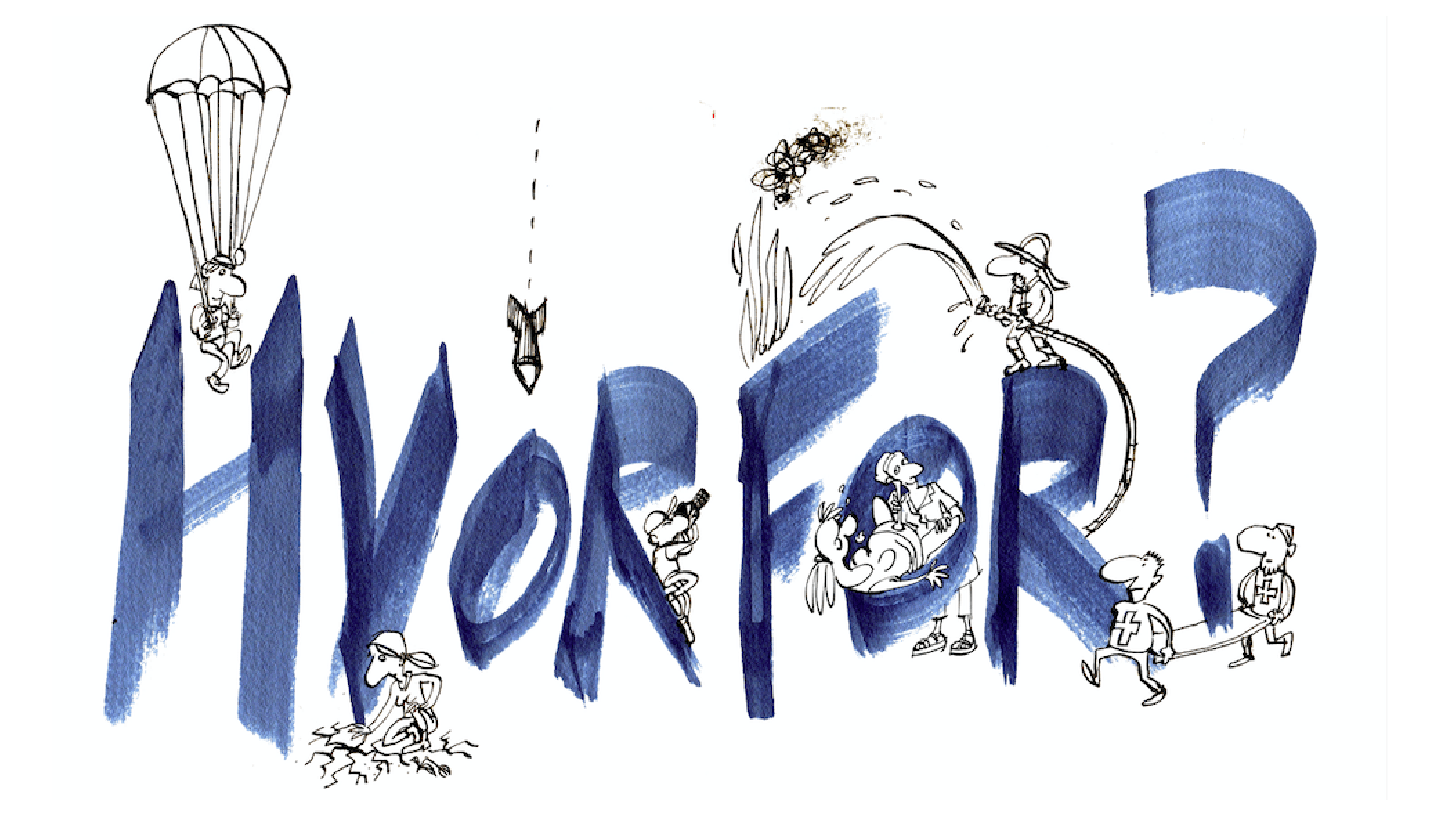
A person’s answer to WHY they chose the job they did is absolutely central. Within that answer lies meaning, and it’s here you can find the values behind the original choice of education or later career decisions.
Månedens forebygger: 10% reglen “10% reglen” handler om hverdagens opgavefordeling og er en metode til at undgå, at enkelte medarbejdere sidder alene med afdelingens sværeste...
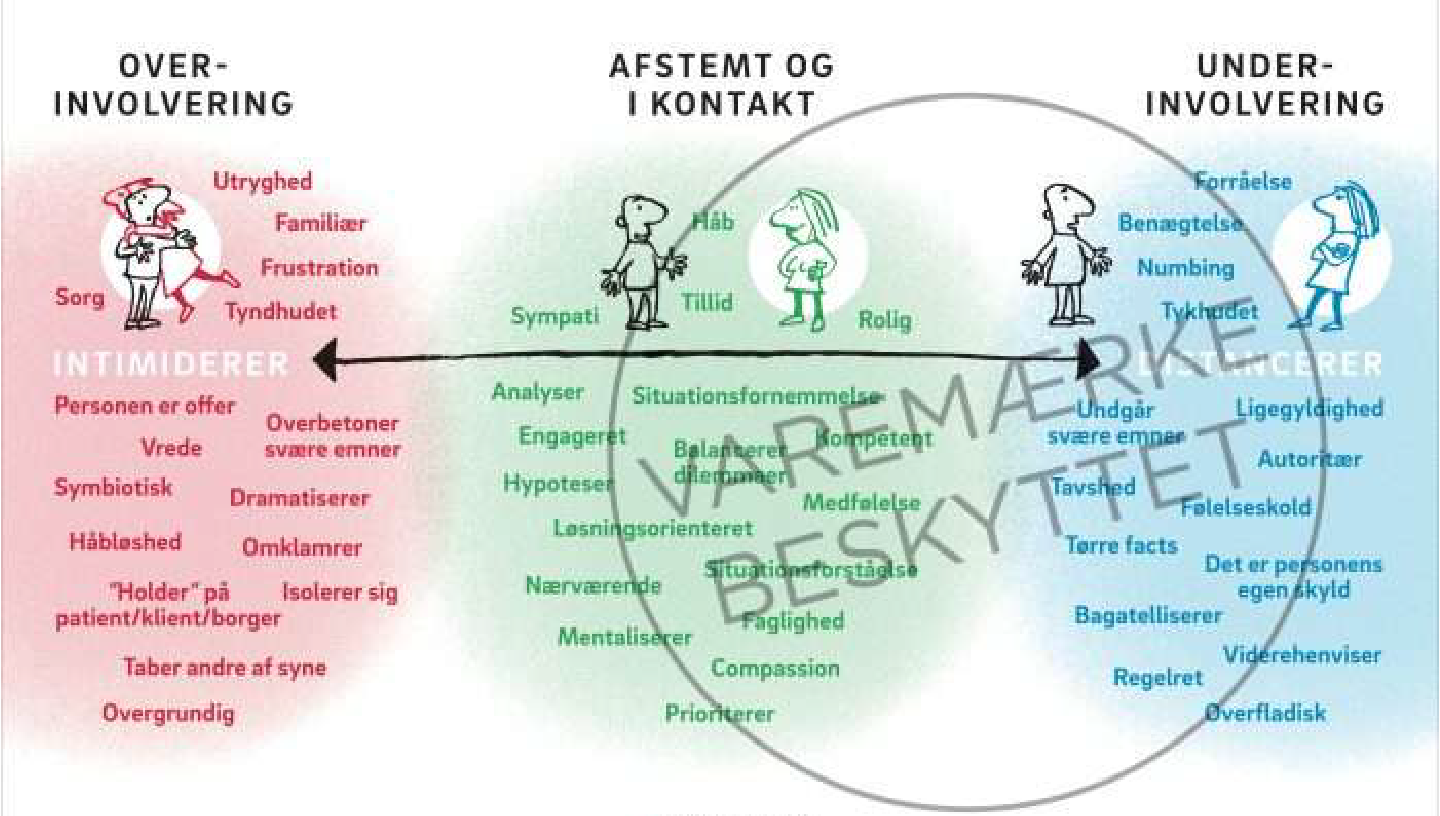
The model illustrates what characterises being “overinvolved” and “underinvolved” versus being “aligned and in contact.” The model supports a shared language and can thus strengthen proactive, collective, and holistic strategic prevention.
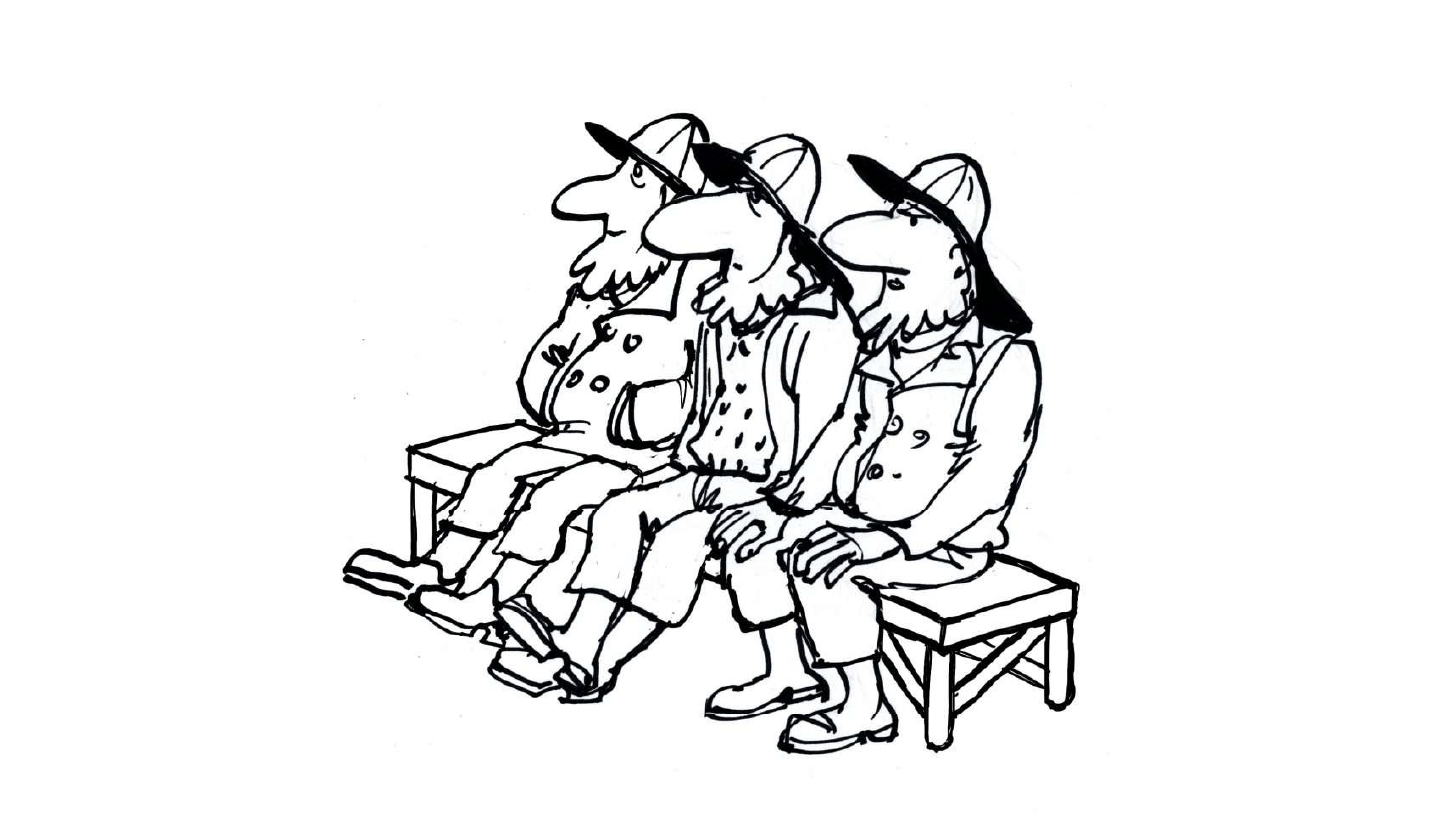
The Fisherman’s Bench is both a method and a place where, together with good colleagues, you can sit down to share and process some of the powerful impressions that are often associated with having a mentally high-risk job.