

INTRODUCTION TO STRESS PSYCHOLOGY

A handbook written for professionals working in mentally high-risk jobs — that is, roles where one is confronted with accidents, threats, trauma, abuse, death, or other severe events through interactions with people affected by crises or trauma, or in roles that otherwise place significant demands on empathy and managing painful emotions. Out summer 2026

*An Introduction to Stress Psychology* is therefore aimed at doctors and nurses, psychologists and clergy, midwives and social and healthcare assistants, police officers and lawyers, soldiers and prison officers, educators, social workers and case workers, war correspondents and photographers, emergency aid workers and climate activists, and other professional groups working in high-stress roles. 


The book is also well worth reading by employees in other high-risk occupations, such as those working at sea or as engineers in high-risk environments. The third revised edition of the book includes an index and up-to-date research references, making it suitable for use in academic study.


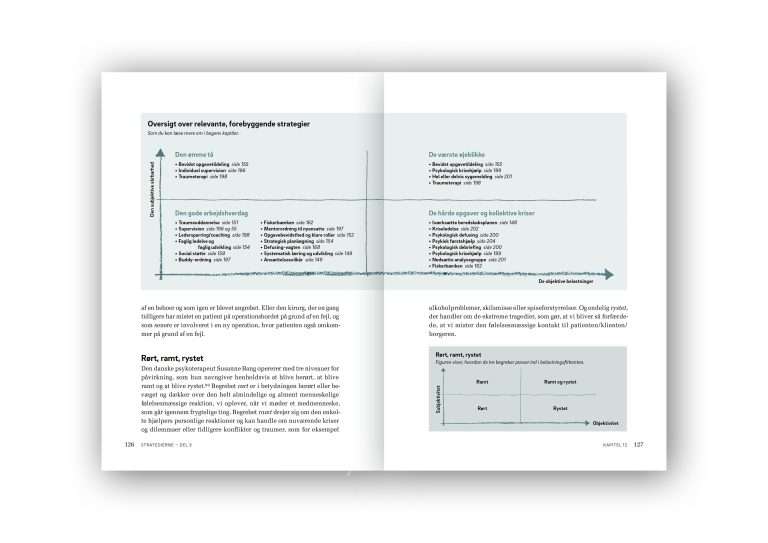
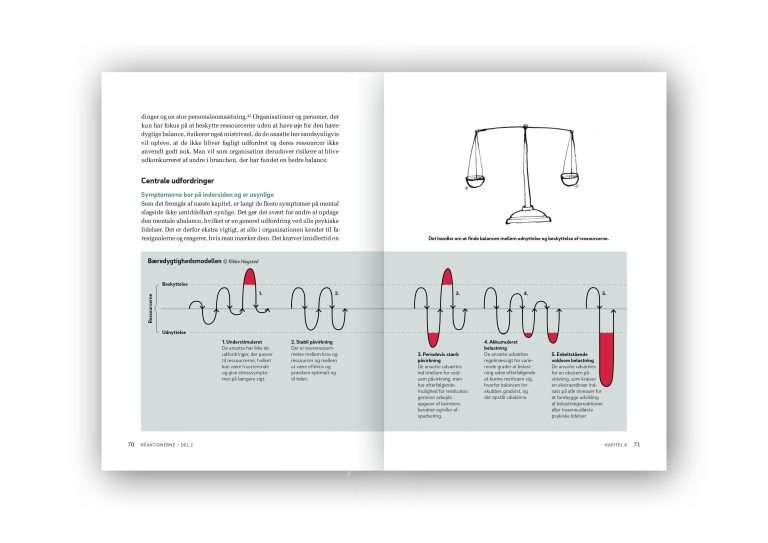
*An Introduction to Occupational Psychology* is an accessible book comprising short, factual sections, illustrations, models and quotations. The book is based on the understanding that preventing mental health issues is a team effort that can only succeed if everyone in the organisation understands their role and responsibilities. The book is aimed at students, staff and managers, as well as professionals who work daily to create a positive and sustainable working environment.


The book covers most of the specific provisions in Danish Executive Order on the Psychosocial Work Environment. and, in line with the recommendations of the executive order, the preventive approach calls for the serious consideration of those workplace stresses that cannot be eliminated, and for the establishment of collective preventive measures that can help employees cope with high-risk mental health jobs.

»The *Introduction to Occupational Psychology* has made us, as health and safety representatives, aware of the stresses involved in emergency work – and has enabled us to focus our health and safety efforts in precisely that direction.”

Louise Mikkelsen
Nurse and health and safety representative in the A&E department at Horsens Regional Hospital
“I’d really like to say a huge THANK YOU for your textbook, which I keep coming back to time and again. The book has been a faithful companion on my journey into uncharted territory. Together with the books by Dorthe Birkmose and Nadja Prætorius, it has helped lay the foundations for my approach to this project. I am a psychologist specialising in ageing and dignity, and for several years I have been employed as a psychologist at three care homes, where I have conducted existential conversations with residents, taught and provided professional support to staff. Care homes represent an overlooked area that is in great need of the knowledge and expertise embodied in this book. I am grateful to be able to stand on the shoulders of strong, wise women like you, and I hope this will help to enhance job satisfaction and dignity for a group of staff and a sector that needs massive support to find the right balance.’ 


– Tanja Høj Jensen, psychologist specialising in ageing and dignity

From book to course – or vice versa

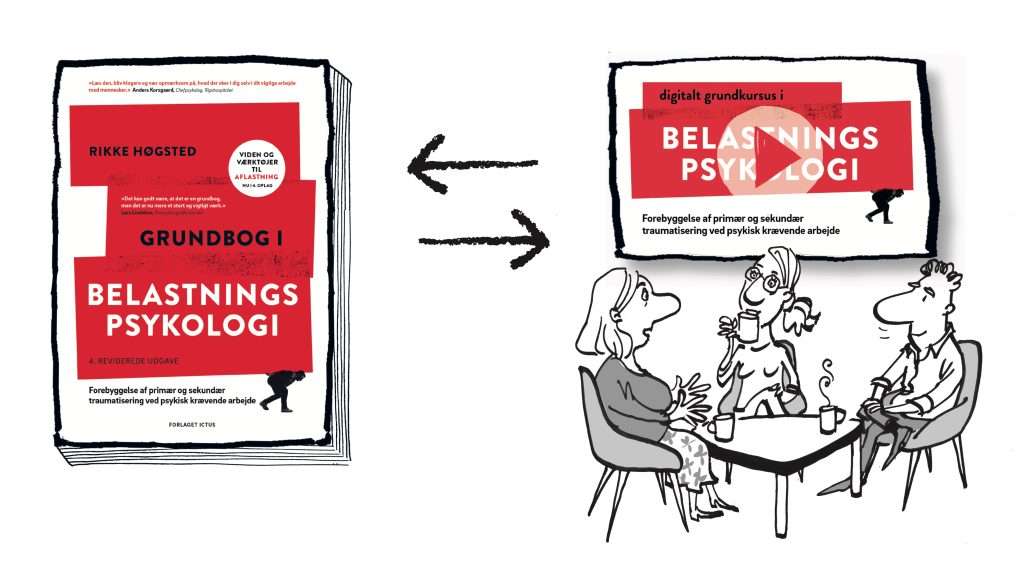
Fundamentals of Strain Psychology forms the basis for the institute’s introductory course on the same subject. The Introductory Course in Stress Psychology is a “do-it-yourself” course for workplaces with high emotional demands. The course makes work on the psychological working environment tangible, meaningful and engaging – and draws directly on the significant resources that already exist within your organisation. 

Sign up for the newsletter

Get new insights. Every month, we keep you up to date with the latest knowledge on creating a sustainable psychosocial work environment and provide inspiration for prevention.