Institute for Strain Psychology

Because no one should become ill from doing work that places high emotional demands on them.

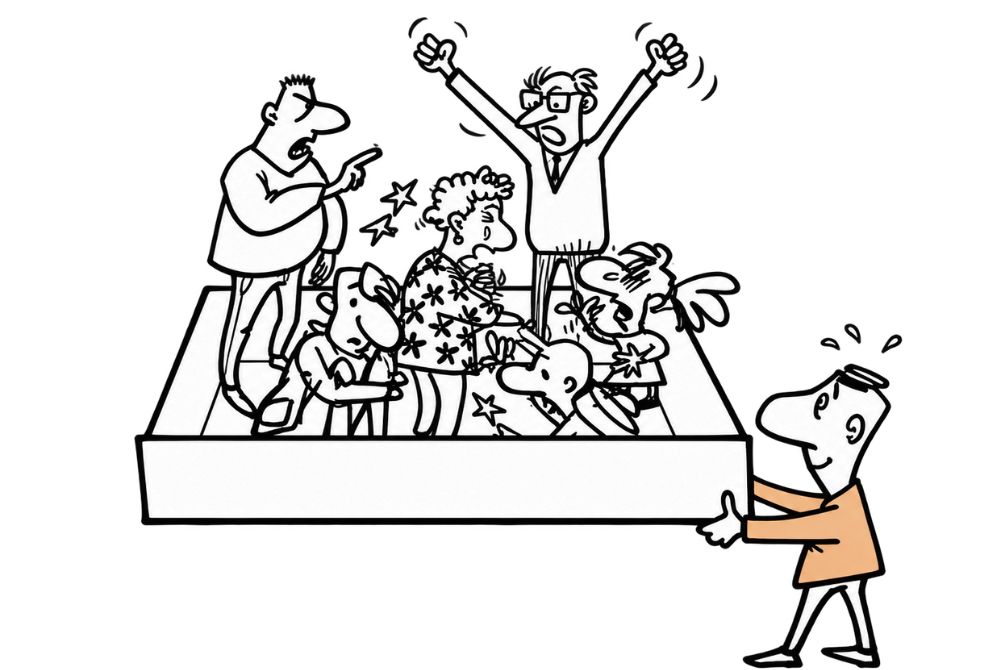
We have clear rules and standards for how much we can physically lift and how we should do it, for example when lifting a heavy box. But things become far more complicated when the day’s ‘heavy lifting’ involves helplessness, threats, grief and people in crisis.


When professionals experience psychological strain as a result of their work, we often end up focusing too narrowly on the individual. Why did she react so strongly? Is she cut out for the job? Could something in her personal life be contributing?


But why don’t we pay just as much attention to the demands and pressures she faces at work? Of course, people are different. But psychological strain is primarily linked to the demands of the job, the conditions under which the work is carried out, and the workplace’s ability to prevent and respond to these pressures.
This professional curiosity became the starting point for the Institute for Strain Psychology and our work to translate knowledge about psychological strain into practical prevention.


We work for those who work with people


Some professionals encounter serious illness, violence, accidents, death, neglect and people in crisis as part of their work. Others interact with citizens, customers or service users every day and must be able to handle frustration, conflict, anger or complaints.


Their jobs may be different, but they share something important: working with other people can involve high emotional demands. Professionals must carry out their tasks while responding professionally to the situations they encounter.


When interacting with other people is a core part of the job, the emotional demands also become part of the psychosocial working environment. These are the professionals and workplaces we work to support.

Health and Safety Competence

The consultant goes home. The colleagues stay.

Over the years, we have provided training and advice to many professionals and workplaces on psychological strain, the psychosocial working environment and prevention. Along the way, one thing became increasingly clear: An external consultant can contribute specialist knowledge, experience, an outside perspective and support in keeping a process on track. Sometimes, very little support is needed. At other times, it makes sense for us to work more closely with the organisation through parts of the process.

But it is the colleagues who know what happens at 2 p.m. on a Tuesday when the phones are ringing off the hook, a colleague is off sick, a difficult conversation lies ahead, or a citizen or customer reacts in a way nobody quite anticipated.

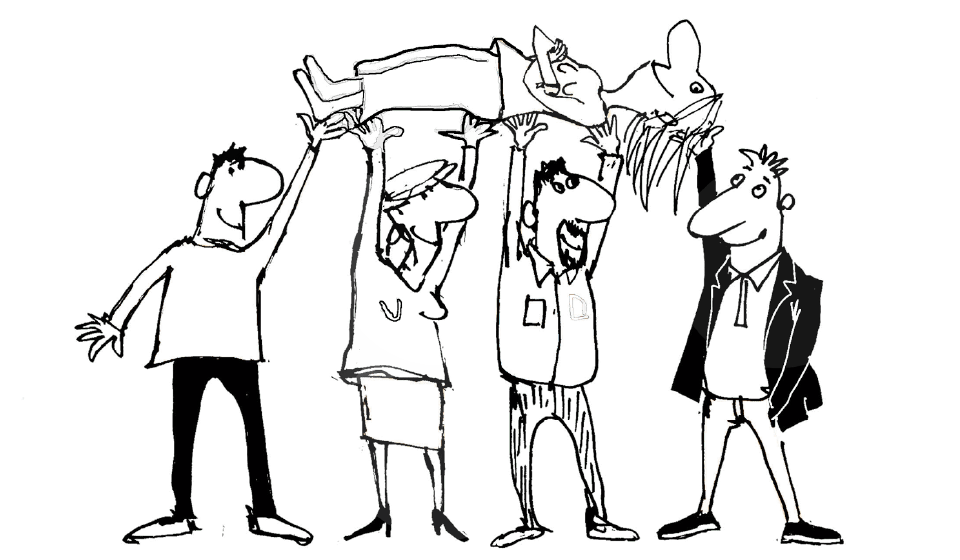
Prevention is a team effort


Psychological strain cannot and must not be reduced to a question of how much an individual can cope with.

Some sources of strain can be prevented or reduced. Others are inherent in the work itself. This is why working conditions, organisational culture and available resources play such an important role in how psychological strain is prevented and managed. Psychosocial prevention involves understanding what employees are exposed to, the demands of their tasks, how work is organised and the culture in which it takes place.


Effective prevention requires employees who have the knowledge and ability to take action, a professional community with a shared language, and an organisation that takes recurring patterns in everyday work seriously. What employees experience and observe provides valuable knowledge for creating a safe and healthy psychosocial working environment.

Health and Safety Courses

One thing led to another


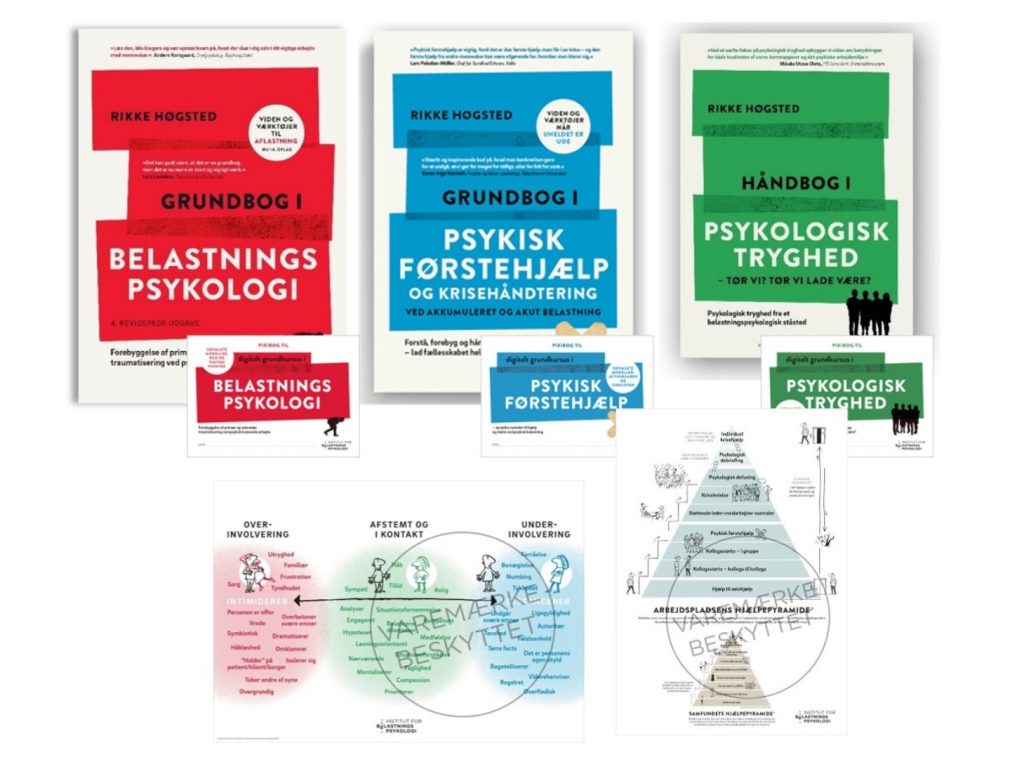
It began with a professional question that led to Grundbogen i Belastningspsykologi (The Textbook of Strain Psychology). The book brought together knowledge about psychological strain and prevention. The next question was how to put that knowledge into practice – including at 2 p.m. on a Tuesday. So we began teaching.


When the COVID-19 pandemic sent us home in 2020, we brought the handbook into the digital world. Our first Digital Foundation Course was developed using short videos and group exercises that colleagues could work through together at their own workplace. It turned out to offer something we had not entirely anticipated. Workplaces took ownership of the material. They discussed it, adapted it and tested it in their own working environments. Learning together also became a way of identifying local sources of strain, available resources and opportunities for action.


One course eventually became several. And a new question emerged: How could the insights gained by employees and managers along the way become part of the organisation's systematic approach to managing the psychosocial working environment?

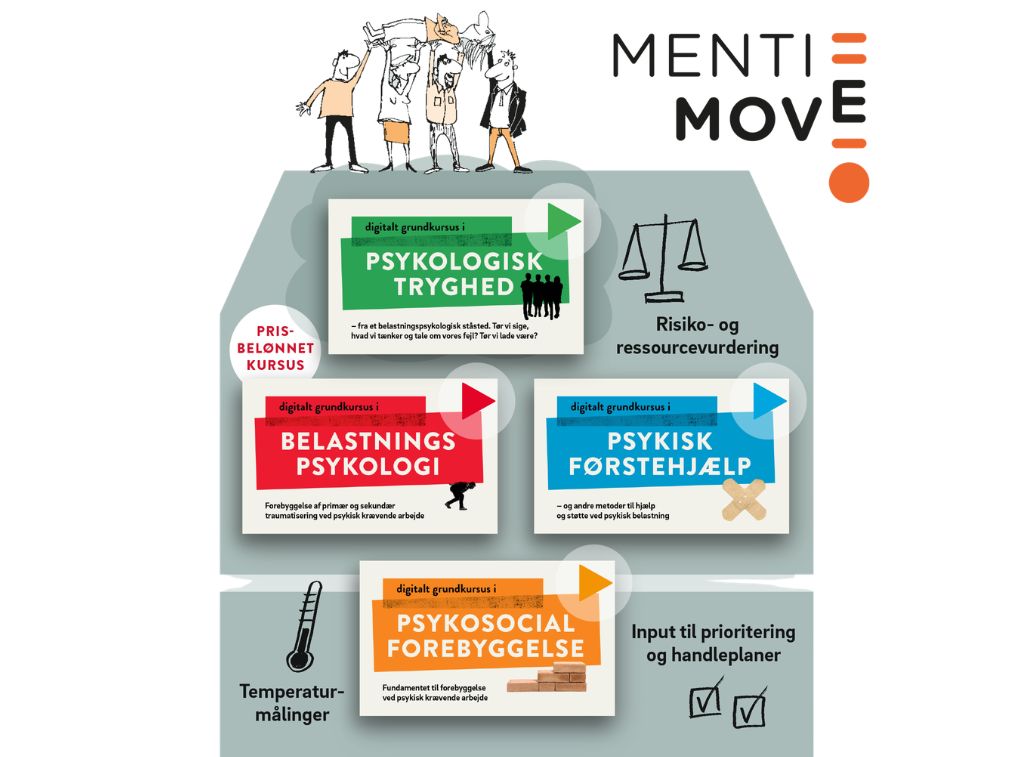
That question helped shape the development of MentiMove, which today brings together Digital Foundation Courses, local implementation, workplace pulse surveys, and the assessment and mapping of risks and resources.

We are still learning


Strain psychology has developed through the interaction between professional knowledge and real-world practice. Workplaces have used our courses in ways we had never imagined. Professionals, occupational health and safety representatives, and managers have asked questions that have introduced new perspectives. And new areas of expertise have become part of our work as the challenges have evolved.

 This has taken us beyond psychology and occupational health and safety to also encompass organisational development, implementation, technology and data. Today, we work at the intersection of knowledge about human responses, psychosocial prevention and organisations' systematic efforts to create safe and healthy psychosocial working environments.


That development continues. Because work changes. So do the demands and strains associated with it. And so does our understanding of how best to prevent them.

Our fundamental ambition, however, remains the same: No one should become ill from doing a job that involves high emotional demands.

Get a free course demo

EVERYTHING YOU NEED TO WORK WITH THE PSYCHOSOCIAL WORK ENVIRONMENT – ALL IN ONE PLACE

Institut for Belastningspsykologi helps organisations strengthen their approach to the psychosocial working environment – simply, flexibly and with the utmost respect for their available resources.

Get a free course demo

Fill in the form and you will receive a direct link giving you access to MentiMove PLUS.

Choose courses

Don’t worry — no spam. We’ll only contact you about the demo with your consent.

Your demo is valid for 2 weeks.

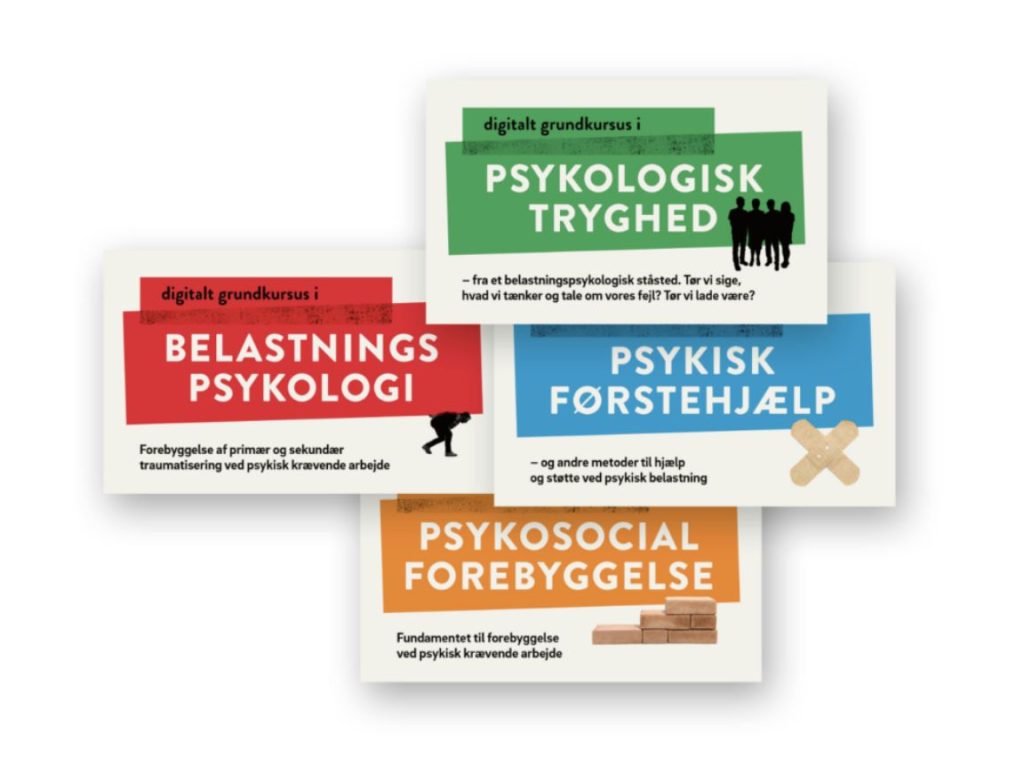
Four digital implementation courses for professionals in psychologically demanding work

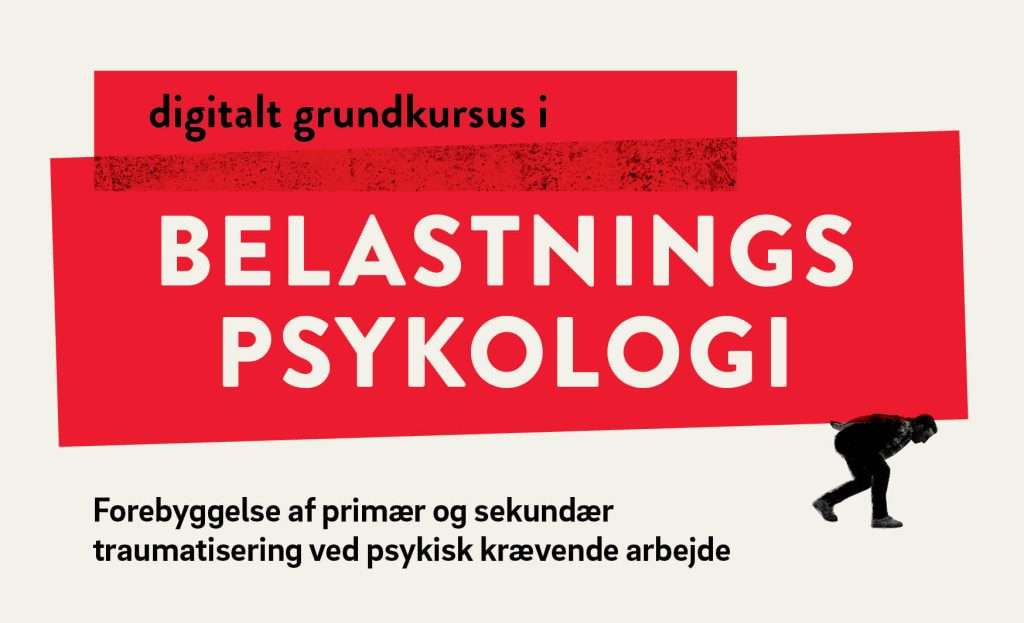
Foundation Course in Strain Psychology

For a holistic approach to managing everyday high emotional demands and exposure to potentially traumatic events.

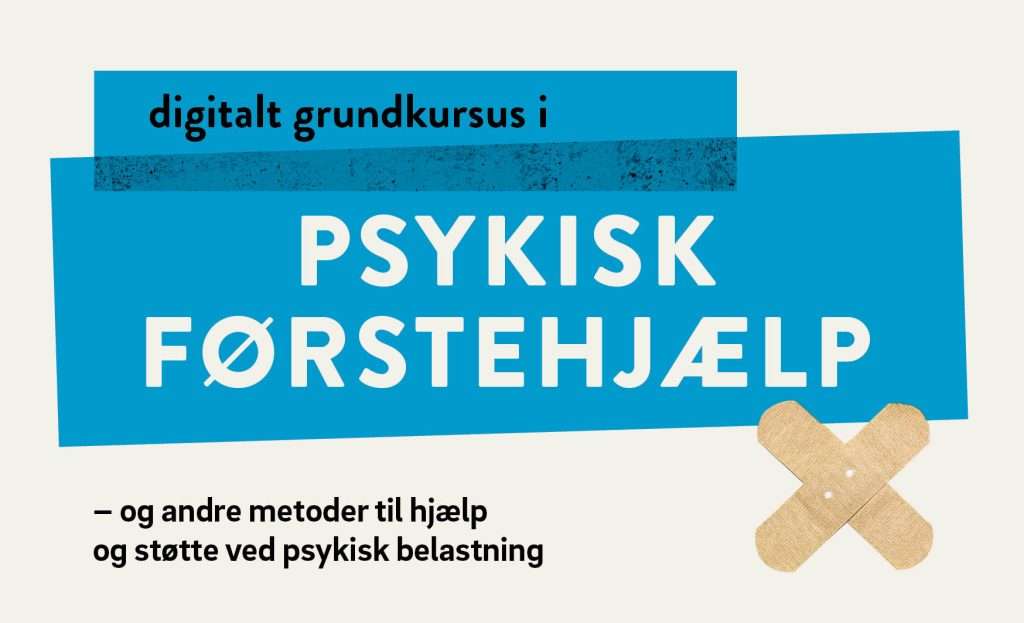
Foundation Course in Psychological First Aid

For collective crisis response when something unexpected happens — and the group must manage an extraordinary psychological strain together.

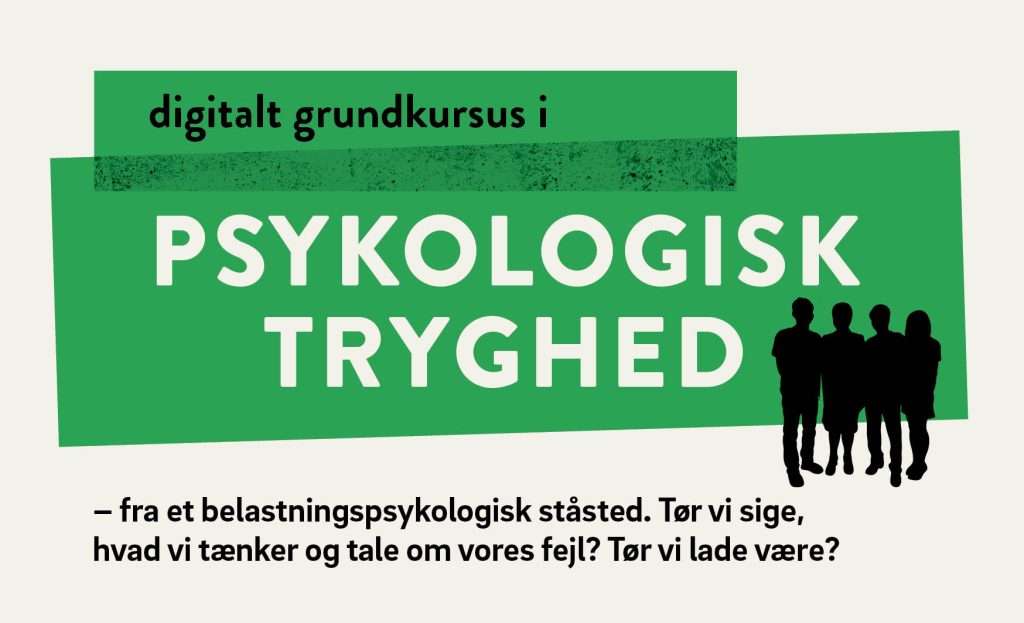
Foundation Course in Psychological Safety

Ensuring that tools and methods truly work in practice — rather than remaining well-written policies in contingency plans.

Foundation Course in Psychosocial Prevention

Creating a shared understanding of what proactive, collective prevention looks like in daily practice.