Psychologically Demanding Work – What Causes Strain, and How Can We Prevent It?
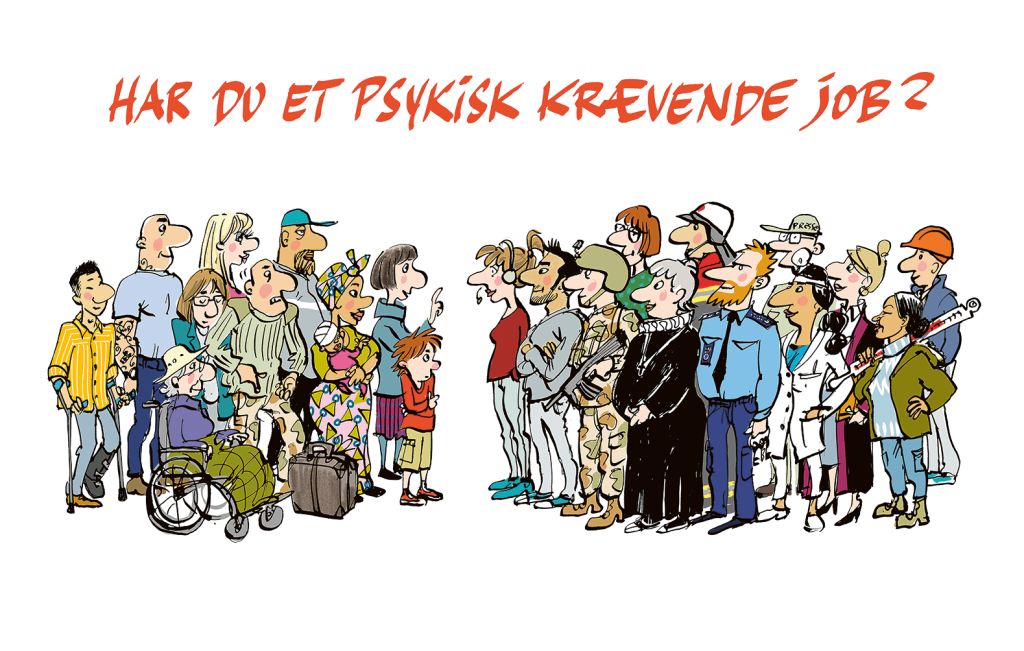
Psychologically demanding work involves tasks that place high mental and emotional demands on employees. This applies to nurses working in oncology wards, social workers handling child welfare cases, police officers, paramedics and prison officers. It also applies to many others who encounter people in crisis or make decisions with significant consequences for other people's lives.
The demands are inherent in the work and can rarely be eliminated. The question for organisations is therefore how to organise work so that employees can perform their duties effectively and remain healthy throughout their working lives.
What Is Psychologically Demanding Work?
In strain psychology, we use a more precise term: mentally high-risk occupations. In our Textbook of Strain Psychology, we define these as jobs in which employees are regularly confronted with accidents, threats, trauma, abuse, death or other distressing events through contact with people experiencing crises or trauma. The term also covers jobs involving high emotional demands, including the need for empathy and the ability to manage painful emotions.
The word risk is deliberate. It directs attention towards the working conditions that increase or reduce the risk of harm, rather than towards the question of who is strong enough to cope.
Some professionals are directly involved in critical incidents. We refer to them as first-line responders: police officers, firefighters, paramedics, deployed personnel and emergency dispatchers. Others encounter the consequences of these incidents through the people affected. These are second-line helpers, including hospital staff, caseworkers and therapists. This group also includes administrative employees who read and write case records. They are at risk of secondary traumatisation because they are repeatedly exposed to other people's trauma without having been personally endangered.
What Causes Strain in Psychologically Demanding Work?
We can distinguish between three types of exposure, each requiring a different approach to prevention:
- Acute, short-term strain. An accident, assault or death that occurs without warning. The individual is unprepared, and a great deal happens in a short period of time.
- Cumulative strain. Repeated exposure to demanding situations that builds up because there is insufficient time to recover between them. Eventually, just one more drop is enough to make the glass overflow.
- Prolonged strain. Working under unsafe or threatening conditions over an extended period, as experienced by deployed soldiers and humanitarian aid workers.
Cumulative strain is the type that organisations most often overlook because there is no single incident to identify. As one manager puts it in the textbook: “Over the years as a manager, I have learned to pay closer attention to those who are slowly bleeding internally, without any great drama.”
High emotional demands are not limited to dramatic incidents. They may involve a service user who self-harms, a patient who behaves aggressively or abusively, or a relative whose expectations cannot possibly be met. They may also involve responsibility for a decision that changes another person's life.
Why Is Strain Often Recognised Too Late?
It is normal to react to a distressing day at work, and these reactions usually subside within days or weeks. When they persist, however, they begin to take their toll. We refer to this imbalance as mental listing: like a ship with an unevenly distributed load, which begins to lean long before it capsizes.
Three factors make this imbalance difficult to recognise:
1. The symptoms are internal. Colleagues and managers cannot see them unless they know what signs to look for.
2. We conceal our reactions from one another. Under pressure, both managers and employees instinctively act as though they are unaffected. As a result, everyone believes they are the only person struggling.
3. We become accustomed to it. Symptoms develop so gradually that they become part of everyday life.
Prevention therefore cannot depend on individuals recognising the problem themselves and speaking up.
The Myth of the Invulnerable Helper
No one can withstand unlimited strain. Professionals have known this since the Second World War, when military psychological studies demonstrated that even the strongest soldiers could break down if combat was sufficiently intense and prolonged.
Nevertheless, the idea persists that a good doctor, police officer or social worker should simply be able to withstand the pressure. This belief comes at a cost. Luck and circumstances always play a role in critical incidents. If an organisation mistakes bad luck for a lack of ability, it indirectly tells those affected that they are responsible for their own psychological injuries.
Meaning Is Protective, but It Does Not Eliminate Risk
Many people choose psychologically demanding jobs because they feel that their work matters. Employees who experience high levels of compassion satisfaction – the fulfilment that comes from helping others and feeling that their efforts make a difference – have a lower risk of psychological harm than colleagues performing the same tasks with less satisfaction.
Meaningful work is therefore a protective factor. But the risk remains. Work involving death, suffering, violence and threats can never be made entirely safe.
What Protects Employees and Managers in Psychologically Demanding Jobs?
Prevention is about risk management: organisations need to understand which factors increase risk and which reduce it. The most important protective factors within organisations include:
- Knowledge of trauma and stress reactions, tailored to the specific work being performed.
- Regular supervision, individually or in groups.
- Social support. This can take the form of emotional support, feedback on a situation, advice or practical assistance when a colleague takes over a task.
- Clear roles and well-defined responsibilities, enabling employees to have realistic expectations of their own contribution.
- A partner or team. Working alone is a risk factor.
- Planning the working day and week so that the most demanding tasks are not scheduled at the very beginning or end of the day.
- A caseload that takes into account how many traumatised people each employee encounters.
- Managers who are themselves thriving. A manager under pressure represents a risk factor for the entire team.
Digital implementation courses for professionals in psychologically demanding work

Foundation Course in Strain Psychology
For a holistic approach to managing everyday high emotional demands and exposure to potentially traumatic events.

Foundation Course in Psychological First Aid
For collective crisis response when something unexpected happens — and the group must manage an extraordinary psychological strain together.

Foundation Course in Psychological Safety
Ensuring that tools and methods truly work in practice — rather than remaining well-written policies in contingency plans.

Foundation Course in Psychosocial Prevention
Creating a shared understanding of what proactive, collective prevention looks like in daily practice.
Q&A: Psychologically Demanding Work
What Is a Mentally High-Risk Occupation?
A mentally high-risk occupation is a job in which employees regularly encounter accidents, threats, trauma, abuse or death through their work with people experiencing crises or trauma. The term also covers occupations involving high emotional demands and the need for empathy. The word risk emphasises that exposure is inherent in the work and must be managed as an occupational health and safety risk.
Which Professions Involve Psychologically Demanding Work?
Typical examples include police officers, firefighters, paramedics, emergency dispatchers, soldiers, healthcare professionals, social workers, prison officers, psychologists and journalists. What matters is the nature of the work: whether employees repeatedly encounter people in crisis or distressing events, either directly at the scene or subsequently through conversations, case records and case management.
What Is Cumulative Strain?
Cumulative strain occurs when repeated exposure to demanding situations builds up over time without sufficient opportunities for recovery. There is no single incident to point to, which is why it is often overlooked. It builds up drop by drop until the glass eventually overflows.
What Are the Signs That Strain Has Become Excessive?
The Textbook of Strain Psychology describes 20 warning signs of mental listing in individuals, covering physical symptoms, cognitive functioning, emotions and relationships with others. It also identifies 10 warning signs in teams and workgroups, such as anger, persistent complaining and destructive humour. Most of these signs are not visible to others, so both employees and managers need to know what to look for.
Is Being Emotionally Affected a Sign of Weakness?
No. Nobody can withstand unlimited strain, and it is normal to react to distressing or tragic events at work. There is absolutely no shame in being emotionally affected by repeated exposure to such events. Being emotionally affected is part of being able to do the job well.
Who Is Responsible for Preventing Psychological Strain?
The organisation always holds the overall legal and moral responsibility for the psychosocial working environment. Nevertheless, prevention is a shared responsibility in which individuals, colleagues, managers and the organisation each have a role to play. Responsibility cannot therefore be placed on the employee who experiences a stress reaction.
Can the Risks of Psychologically Demanding Work Be Eliminated?
Not entirely. Work involving death, suffering, trauma, violence and threats will always involve some degree of risk. However, that risk can be reduced through the way work is organised: clear roles, supervision, social support, realistic caseloads and established procedures for responding to critical incidents.
We collaborate with
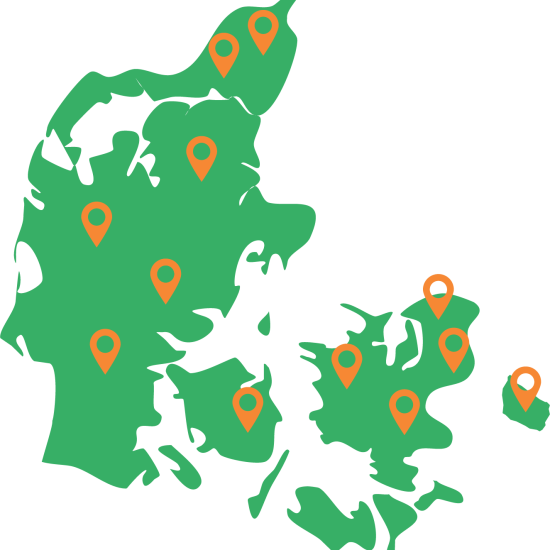
out of 98 municipalities
70
Danish regions
5
professionals and leaders at all levels have gained knowledge of strain psychology
100000
… as well as a wide range of public and private organisations.
Selected partners include:









A team of experts
...close to your everyday reality
When you book a consultant from the Institute for Strain Psychology, you meet an engaged and experienced specialist with deep professional knowledge and a strong commitment to practice.
Our consultants communicate complex knowledge about strain psychology with clarity, presence, and professional depth — always grounded in a holistic perspective.
Newsletter
Let’s stay connected
Sign up to receive updates on professional trends, research insights, and upcoming events.