
Psychological debriefing – what is it, and when should it be used?
The word debriefing is used about many things. Some call a quick chat after a difficult shift a debriefing. Others use it about a meeting where a course of events is evaluated. But psychological debriefing is something specific: a structured group conversation after a particularly distressing incident, led by a professional trained in crisis psychology.
The difference matters. When the same word is used for very different kinds of support, it becomes hard to see what is needed when. Here you can read what psychological debriefing is, when it is used, how it differs from defusing, and when other professional help is needed.
What is psychological debriefing?
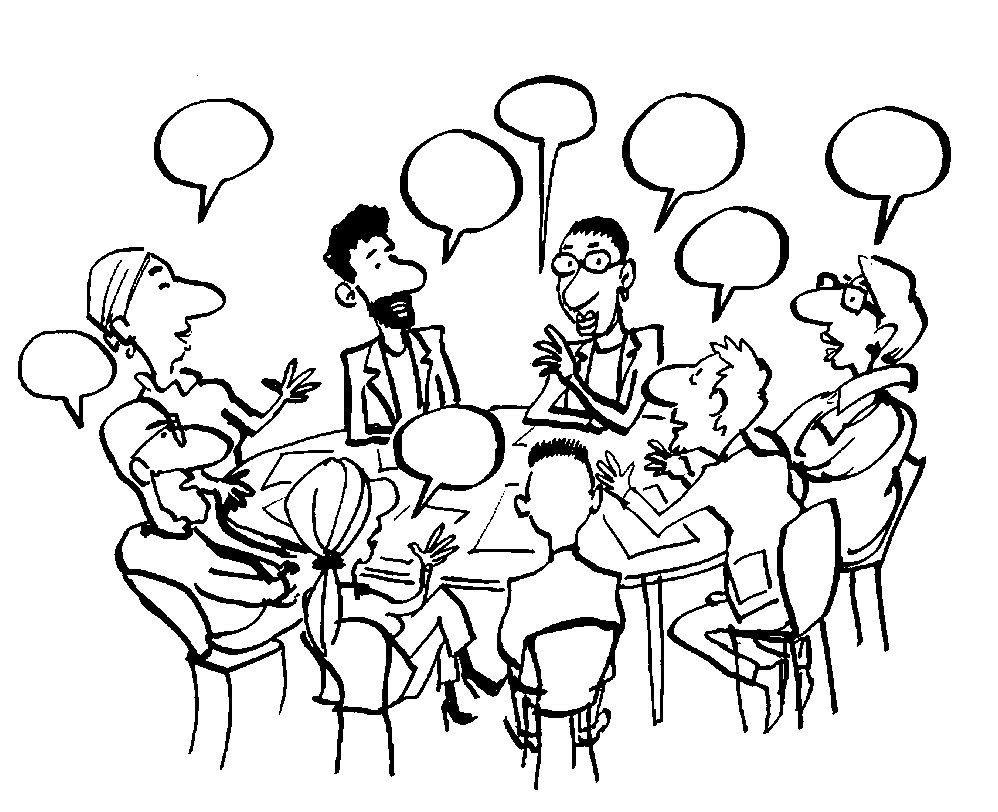
Psychological debriefing is a structured group conversation for employees who have been involved in a violent or highly distressing incident. The aim is to create a safe setting where participants can process the experience together, and to prevent traumatisation.
The debriefing usually takes place a couple of days after the incident. The conversation moves through three steps:
- What happened? Participants describe what they experienced: the actual sequence of events, what they saw and heard, and what they thought and did. The others listen and add their own accounts.
- How did it affect us? Participants talk about the emotional and physical reactions they had during the incident, and how they are doing now.
- What do we take with us? Participants learn about the common reactions that may follow in the time after, and how to deal with them. The conversation ends with how each person and the group can move on and help each other.
So the conversation starts with facts, then moves to emotions, and ends with facts again.
Who leads a debriefing?
Psychological debriefing is a complex group process. It must therefore be led by a professional with training in psychology and specialist training in crisis psychology, typically a psychologist or a psychiatrist. The leader may be assisted by an experienced person from the same profession as the participants.
The person leading the conversation must be able to steer it so that participants are not overwhelmed by what they hear and tell. The leader also uses the conversation to see whether anyone needs more help.
Debriefing and defusing: what is the difference?
The two conversations are often confused, but they play different roles.
| Defusing | Psychological debriefing | |
|---|---|---|
| When | Shortly after the incident, preferably before the end of the working day | Usually a couple of days after |
| Who leads | A manager or colleague trained in the method | A psychologist or other professional trained in crisis psychology |
| When it is used | After violent incidents in general | After particularly violent or complex incidents |
| Purpose | Shared overview, calm and an initial assessment | More thorough processing and prevention of traumatisation |
A psychological defusing is often the first step. Among other things, it is used to assess whether a debriefing will be needed later.
What does the research say?
Research on psychological debriefing is not clear-cut. Some studies question the method's effect and suggest that in certain cases it can make reactions worse. Others suggest that the problem arises when the method is used differently from how it is described, for example as an individual conversation instead of in a group.
At the same time, experience from workplaces shows that employees who have been through something violent together often need to come together and talk about it. A well-planned debriefing can both provide care and show who needs more support.
The conclusion is that debriefing can be valuable when carried out by a qualified professional and when the workplace ensures follow-up afterwards. Used incorrectly, it can do more harm than good.
Debriefing is part of a bigger plan
Psychological debriefing sits at the top of the support a workplace can offer after a violent incident. Most support comes first from colleagues, the manager and psychological first aid. Debriefing is a supplement to that support, not a replacement for it.
In our A Primer on Mental Health First Aid and Crisis Management we describe the different forms of support as a pyramid. At the bottom is the support everyone in the workplace can give each other, and at the top are debriefing and professional crisis support.
In a good contingency plan, it has been agreed in advance who decides whether a debriefing should be held and whom the workplace can call in. Typically, the manager follows up the day after the incident and arranges a debriefing if needed. Many workplaces have a health scheme that covers psychological crisis support, for example after violence and threats or sudden deaths in the workplace.
When is other professional help needed?
Most people recover after a violent incident with support from colleagues and managers. But if the reactions persist or get worse, individual help from a psychologist may be needed, for example through the workplace health scheme or your GP. This may be the case if you:
- have sleep problems or nightmares that do not go away
- become more irritable or find it hard to concentrate
- experience growing self-criticism or guilt
- withdraw from others and feel alone
- use alcohol or medication to cope
- meet concern from those closest to you
If a colleague has thoughts of harming themselves or can no longer see any meaning in life, act immediately. Contact a GP, a psychologist, a crisis helpline or the nearest psychiatric emergency department.
Read also about signs of psychological overload.
The Institute for Strain Psychology helps workplaces plan what should happen after a violent incident. Read more about our workplace health and safety courses.
Digital implementation courses for professionals in psychologically demanding work

Foundation Course in Strain Psychology
For a holistic approach to managing everyday high emotional demands and exposure to potentially traumatic events.

Foundation Course in Psychological First Aid
For collective crisis response when something unexpected happens — and the group must manage an extraordinary psychological strain together.

Foundation Course in Psychological Safety
Ensuring that tools and methods truly work in practice — rather than remaining well-written policies in contingency plans.

Foundation Course in Psychosocial Prevention
Creating a shared understanding of what proactive, collective prevention looks like in daily practice.
Q&A: Psychological debriefing
What is psychological debriefing?
A structured group conversation for employees who have been involved in a violent or highly distressing incident. It is led by a professional trained in crisis psychology and usually takes place a couple of days after the incident.
What is the difference between debriefing and defusing?
Defusing is a short conversation right after the incident, led by a trained manager or colleague. Debriefing is a more thorough processing a couple of days later, led by a psychologist or other professional trained in crisis psychology.
Who can lead a psychological debriefing?
A professional with training in psychology and specialist training in crisis psychology, typically a psychologist or psychiatrist.
Does psychological debriefing work?
The research is not clear-cut. Some studies suggest the method can make reactions worse. Others suggest the problems arise when it is used incorrectly. Carried out by a qualified professional and followed up afterwards, debriefing can be valuable.
Is a debriefing the same as an evaluation meeting?
No. The word is often used about evaluation and wrap-up after a task. Psychological debriefing is about processing a violent experience and preventing traumatisation, not about evaluating what went well or badly.