
Supervision in psychologically demanding work – reflection, professional support and prevention
A social worker has been following a family for several months, and nothing really seems to change. She has started thinking about the case in the evenings and is unsure whether she has become too involved or has started keeping too much distance. In supervision, she gets the chance to put this into words. She leaves with a fresh view of the case and a more realistic picture of what she herself can do.
Supervision is one of the protective factors we describe in The Handbook of Strain Psychology. But supervision is not automatically protective. It depends on how it is done. Here you can read what supervision is, why it helps prevent psychological strain, and what it takes for it to work.
What is supervision?
Supervision is a method of professional learning and development. It is used among psychologists and psychotherapists and in many other professions that work with people, such as social workers, educators, nurses and doctors.
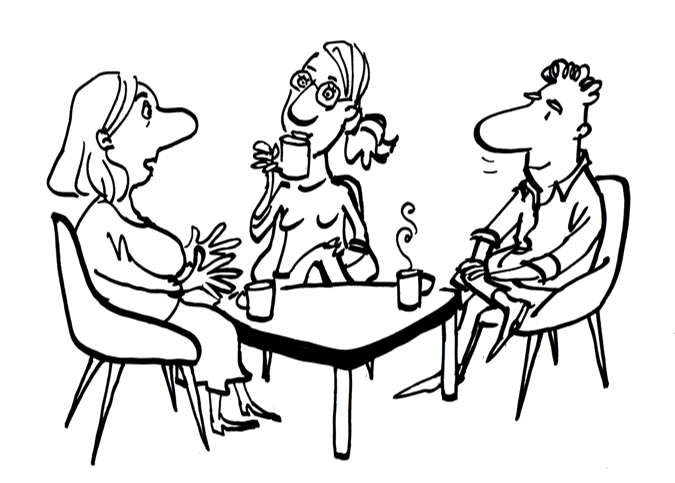
In supervision, professionals get the opportunity to examine a case and reflect on the way it has been handled. An important part of this concerns the relationship with the citizen, patient or client they are working with:
- What feelings does this case stir up in me?
- Do I feel that I am in good contact?
- Or have I become too involved, or am I keeping too much distance?
The reflection often leads to new ways of understanding the task and to new options for action.
Supervision is not the same as psychological debriefing. Supervision addresses the strains of everyday work, whereas debriefing is used after a particularly distressing incident.
Why does supervision protect?
Regular supervision is a protective factor in psychologically demanding work. It protects in several ways.
It adjusts expectations. Many professionals have high expectations of themselves. Supervision can help as a reminder of what is realistically possible in the specific situation and within the framework available.
It keeps the relationship in balance. In psychologically demanding work, you can end up leaning too far to one side or the other. Some get too close and take it all home with them. Others shut down and keep too much distance. Supervision is a place where you can notice this and find your way back to balance.
It reduces loneliness. In group supervision, colleagues become witnesses to each other’s experiences. This can reduce the feeling of standing alone that many people have, especially those who work largely on their own.
Research supports this. Several studies have found a link between supervision and fewer symptoms of secondary traumatisation. In one study, stable weekly supervision was associated with a decrease in symptoms.
It is the quality that counts
Research also suggests that it is not enough for supervision to exist. It is the quality that professionals themselves experience that makes the difference. Some factors recur when supervision has a protective effect:
A safe atmosphere. To get something out of supervision, you should not have to fear negative or unconstructive criticism.
The strain is acknowledged. In psychologically demanding work, it is crucial that the supervisor acknowledges the strain the professional experiences and treats the reactions as normal rather than as a sign of weakness.
The reactions are part of the content. Supervision should not only be about the case, but also about how the case affects the person working with it.
The supervisor steps a little out of the expert role. Studies suggest that relationship-oriented supervision is associated with lower levels of secondary traumatisation. Here, the supervisor takes an appreciative approach and partly lets go of the role of expert and authority in favour of a more open position.
Group or individual?
Supervision can take place both individually and in a group.
Individual supervision makes room to go into depth with a single case and the reactions it stirs up. Group supervision also offers the chance to hear that colleagues are dealing with something similar, and to learn from each other’s cases. The choice depends on the task, the group and what the individual needs.
Supervision can also be supplemented by other forms of professional support, for example ongoing professional discussions with colleagues before, during and after a psychologically demanding task. Read more about social support in the workplace.
Supervision is a management responsibility
It is the manager’s responsibility that employees regularly receive supervision or another form of professional guidance and feedback. And it should also address the employee’s own reactions to the strains that come with the job.
It sounds simple, but it is easy to forget in a busy working day. When the pressure is high, it is tempting to cancel supervision “just this once”. That is why supervision needs a fixed place in the calendar and should not depend on whether there happens to be time. It can help to keep track of the times supervision did not happen, and look into why.
Managers also need supervision and sparring themselves. They carry responsibility for both the task and the employees and should not be left alone with the pressure. Read more about leadership stress and responsibility stress.
The Institute for Strain Psychology helps workplaces build prevention into everyday work so that it also holds when things get busy. Read more about our workplace health and safety courses.
Digital implementation courses for professionals in psychologically demanding work

Foundation Course in Strain Psychology
For a holistic approach to managing everyday high emotional demands and exposure to potentially traumatic events.

Foundation Course in Psychological First Aid
For collective crisis response when something unexpected happens — and the group must manage an extraordinary psychological strain together.

Foundation Course in Psychological Safety
Ensuring that tools and methods truly work in practice — rather than remaining well-written policies in contingency plans.

Foundation Course in Psychosocial Prevention
Creating a shared understanding of what proactive, collective prevention looks like in daily practice.
Q&A: Supervision
What is supervision in the workplace?
A method of professional learning and development in which professionals reflect on their work and their cases together with a supervisor. It can take place individually or in a group.
Why is supervision important in psychologically demanding work?
Because regular supervision is a protective factor. It can adjust expectations, help maintain balance in the relationship with the people you help, and reduce the feeling of being alone. Studies have found a link between supervision and fewer symptoms of secondary traumatisation.
What characterises good supervision?
A safe atmosphere without negative criticism, a supervisor who acknowledges the strain and treats the reactions as normal, and room to talk about how the cases affect you. It is the quality that professionals themselves experience that makes the difference.
What is the difference between supervision and debriefing?
Supervision addresses the strains of everyday work and takes place regularly. Psychological debriefing is a structured group conversation after a particularly distressing incident.
Who is responsible for making sure employees receive supervision?
The manager. It is the manager’s responsibility that employees regularly receive supervision or other professional guidance, and that it also addresses their own reactions to the work.