Protective factors in the workplace – what protects against psychological strain?
Two social workers have just completed a difficult home visit. On the drive back, they talk about what happened and how each of them responded. When they return to the office, their manager knows where they have been and asks how it went. Neither of these things may seem particularly significant. But it is precisely these kinds of everyday practices that can prevent psychological strain from building up over time.
In psychologically demanding work, not all sources of strain can be eliminated. They are part of the job. But workplaces can strengthen the conditions that protect employees. Here, you can learn what protective factors are, which ones matter most, and how to make them part of everyday working life.
WHAT IS A PROTECTIVE FACTOR?
A protective factor is a condition that prevents strain from developing in a negative direction or makes a positive outcome more likely. The opposite is a risk factor, which increases the likelihood of an employee being negatively affected.
A protective factor cannot eliminate risk. But it can reduce the impact of strain and cushion the blow. If an employee is exposed to many distressing incidents, even the strongest sense of collegial support cannot make the work risk-free. But it can make a significant difference to how severely the employee is affected.
Most protective factors are found in the way work is organised and managed. These are also the factors that workplaces have the greatest opportunity to influence.
A TEAM YOU CAN RELY ON
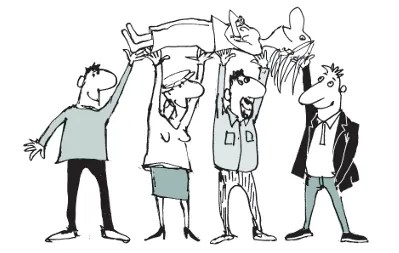
Being part of a well-functioning team is one of the strongest protective factors in psychologically demanding work. A team whose members feel connected to and trust one another can cope with many difficult, distressing or sorrowful experiences without compromising the quality of their work or causing harm to anyone involved.
Research involving deployed military personnel points in the same direction. Strong camaraderie, unit cohesion and good leadership are associated with fewer symptoms of psychological strain after returning home. Informal contact and opportunities to discuss work with colleagues in everyday situations also appear to have a protective effect.
The opposite is having to face difficult tasks alone. Employees who work alone have no one to share their experiences and impressions with, either during or after an incident.
DIFFERENT FORMS OF SOCIAL SUPPORT
Social support is one of the most important protective factors. It can take several forms:
- Emotional support. Being present and showing that you understand how a colleague is feeling.
- Feedback. Helping one another understand what happened and the role each person played.
- Advice. Sharing relevant knowledge and offering useful guidance.
- Practical help. Taking over a task from a colleague who needs support.
Support comes from both colleagues and managers. Having a manager who appreciates your work and remembers to express that appreciation is also a protective factor.
Support from colleagues is particularly important when something goes wrong. Not everyone has a strong support network at home, and even those who do may find that family and friends cannot fully understand what their work involves. Colleagues understand the work from the inside.
CLEAR TASKS AND RESPONSIBILITIES
When tasks are clearly defined and everyone knows who holds responsibility and decision-making authority, it becomes possible to make a good plan. This creates realistic expectations about what each person can and should do. It is one of the strongest preventive tools available to a manager.
Clarity also matters afterwards. When employees have discussed with their manager and colleagues what constitutes a job well done, they are more likely to feel satisfied with their own efforts afterwards. And satisfaction with one's own performance is itself an important protective factor.
In multidisciplinary teams, it is particularly important to establish which professional groups hold which responsibilities and have the authority to make particular decisions.
SUPERVISION AND UNDERSTANDING HOW WORK AFFECTS US
Regular supervision has a protective effect. During supervision, employees can explore how a particular case affects them and whether they have become too closely or too distantly involved with the person they are helping. Supervision can also help employees adjust their expectations of themselves to reflect what is realistically possible. In group supervision, colleagues become witnesses to one another's experiences, which can reduce the feeling of facing difficult situations alone.
Research suggests that simply providing supervision is not enough. What makes the difference is the quality of supervision as experienced by the employee.
Knowledge also offers protection. Employees who work with traumatised individuals are better equipped when they understand what trauma is and how it affects both the person experiencing it and those around them. This is particularly true when training is directly relevant to the work they perform.
PREPARATION, CONTROL AND CLOSURE
Some protective factors relate to how an individual incident unfolds:
- Being prepared. An incident that an employee knows might occur is less likely to have a severe impact than one that happens completely without warning. Preparation makes it easier to respond appropriately.
- Being able to act. Feeling able to take action and influence a situation in a positive direction has a protective effect. Being forced to stand by helplessly is far more psychologically demanding.
- Being able to achieve closure. An incident with a clear beginning and end is easier to discuss and learn from together. Having a shared understanding of what happened provides protection for those involved.
- Understanding why it happened. For employees who are concerned with understanding the causes of an incident, a thorough and impartial analysis of those causes can serve as a protective factor.
Meaning and Recognition
Feeling that your work makes a positive difference to others, and that you are doing your job well, has a protective effect. This is also known as compassion satisfaction. Employees who experience high levels of compassion satisfaction report fewer symptoms of secondary traumatisation. This experience is associated, among other things, with the amount of support they receive from their colleagues.
How the wider community views the work also matters. A job that is recognised and valued by society, or that involves helping people for whom others feel sympathy, is easier to cope with.
HOW WORKPLACES CAN STRENGTHEN PROTECTIVE FACTORS
Most protective factors cannot be established through a single initiative. They need to become an integral part of how work is carried out every day. Here are some questions to consider:
- Which tasks do we currently carry out alone that we could instead undertake together?
- Do we make time and space to discuss difficult tasks in everyday working life, rather than only when something has gone seriously wrong?
- Does everyone know what they are responsible for and what constitutes a job well done?
- Do we provide supervision, and do employees feel that it helps them?
- Do managers acknowledge when a task has been handled well?
- Who takes the initiative to follow up when a colleague has had a difficult experience?
When something difficult happens, the workplace community should be the first source of support. Colleagues who reach out, a manager who takes the time to talk, and a brief team discussion can often make a significant difference. Professional help is an important supplement when needed, but it cannot replace the support of the people we work alongside every day.
The consultant goes home. The colleagues remain. That is why the Institute for Strain Psychology works to strengthen workplaces' own ability to provide mutual support. Read more about psychological first aid and our workplace health and safety courses.
Digital implementation courses for professionals in psychologically demanding work

Foundation Course in Strain Psychology
For a holistic approach to managing everyday high emotional demands and exposure to potentially traumatic events.

Foundation Course in Psychological First Aid
For collective crisis response when something unexpected happens — and the group must manage an extraordinary psychological strain together.
Foundation Course in Psychological Safety
Ensuring that tools and methods truly work in practice — rather than remaining well-written policies in contingency plans.

Foundation Course in Psychosocial Prevention
Creating a shared understanding of what proactive, collective prevention looks like in daily practice.
Q&A: PROTECTIVE FACTORS IN THE WORKPLACE
WHAT ARE PROTECTIVE FACTORS?
Protective factors are conditions that reduce the impact of strain or make a positive outcome more likely. In the workplace, the most important protective factors include a well-functioning team, social support, clearly defined tasks and roles, supervision, and a sense that the work is meaningful.
WHAT IS THE MOST IMPORTANT PROTECTIVE FACTOR?
Being part of a team whose members support one another is one of the strongest protective factors. Clearly defined tasks and roles are among the most effective tools available to a manager.
CAN PROTECTIVE FACTORS ELIMINATE RISK?
No. A protective factor can reduce the impact of strain, but it cannot eliminate it. In many professions, strain is an inherent part of the work itself. That is why workplaces need to both strengthen protective factors and address risk factors.
IS RESILIENCE A PROTECTIVE FACTOR?
The most important protective factors are found in the workplace community, leadership, and the way work is organised. Focusing solely on individual resilience means overlooking what the workplace itself can do.
WHO IS RESPONSIBLE FOR PROTECTIVE FACTORS?
Management is responsible for how work is organised and for ensuring that time is available for support and supervision. But a supportive workplace community is built by everyone. Colleagues, health and safety representatives, and employee representatives all play a role in determining whether support works in practice.