
Leaders’ well-being – why the leader’s well-being matters to the whole workplace
In most workplaces, it is the leader who has to keep an eye on well-being. The leader has to notice who is under pressure, assign the difficult tasks and pull things together when something goes wrong. How the leader is doing is talked about less often.
Leaders’ well-being is about leaders’ own well-being and psychosocial work environment. It is not only a matter for the individual leader, because when the leader is under pressure, the whole team feels it. Here you can read what affects leaders’ well-being, what signs may show that a leader is losing their balance, and what the organisation can do.
What is leaders’ well-being?
Leaders’ well-being describes how leaders are doing in their work. Leaders are expected to ensure a good psychosocial work environment for others, but they are employees too. They need good working conditions to be able to lead well.
The conversation about leaders’ well-being often focuses on the individual leader, for example on finding balance and handling growing pressure. These are relevant themes. But the leader’s well-being also depends on the conditions under which leadership is carried out: the responsibility, the tasks, the expectations from several directions and the support available.
This is especially clear in workplaces with psychologically demanding tasks. Here the leader is responsible for both the quality of the work and the employees’ health, and in some places also their safety. That is a heavy mental burden to carry.
Why the leader’s well-being affects the whole team
Leaders’ well-being is crucial for employees’ well-being. A leader who is struggling or stressed is therefore a risk factor for the whole team.
This is partly about the leader’s judgement. It has a major influence on whether the team can do its work well and safely, both in everyday work and when pressure is at its highest. And on whether employees are satisfied with their own efforts afterwards. That satisfaction in itself helps protect them against strain.
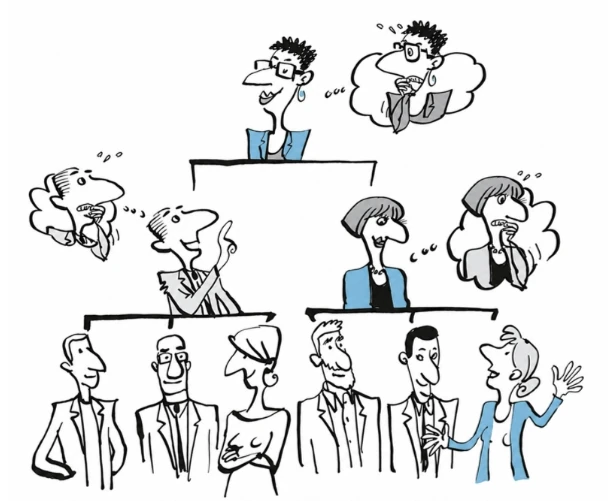
The same applies throughout the organisation. If the most senior leader struggles for a long period, it can cascade down to the leadership team and from there to the rest of the employees. That is why The Handbook of Strain Psychology lists leaders’ well-being among the factors that affect how strained a work group becomes.
What puts pressure on leaders?
Some factors come up again and again when you look at what puts pressure on leaders’ well-being:
- Responsibility for others’ well-being and health. Many leaders are so focused on their employees’ well-being that it overshadows how they themselves are doing.
- The balance between structure and trust. Employees in psychologically demanding professions need clear structures and priorities. They also need to be met with trust and given responsibility. An experienced leader describes the dilemma like this: if the leader gets closely involved to help prioritise, the leader is told they are interfering too much. If the leader steps back, the leader is told the employees have been left to fend for themselves.
- Pressure from above. Senior management may not be close to the difficult tasks, but feels the pressure from finances and from, for example, politicians or the board. That also challenges the leader’s balance.
- The loneliness of the role. Most employees have a colleague at the same level to talk things through with. A top leader often has information that cannot be shared with anyone else in the organisation. That can feel very lonely.
- A manager who does not take well-being seriously. If the leader’s own manager does not take well-being seriously, the leader may conclude that both their own and their employees’ well-being is something they have to deal with alone. Or that it is not that important.
When something serious happens in the workplace, another layer is added. The leader has to make big decisions under pressure and be the stable presence. You can read more about this in the article on leadership stress and responsibility stress.
Signs that a leader is losing their balance
A leader who has no one to talk to about their role risks buying into the myth of the all-powerful leader who should be able to handle everything. This can lead to doubts about whether you are good enough as a leader. That uncertainty can turn into a sense of powerlessness.
Under pressure, many leaders react in one of two ways. Some over-involve themselves. They get too close, take on too much and make themselves available all the time. One leader describes how, in the end, almost half of the employees had the leader’s private number and had been told they could call around the clock. Others under-involve themselves. They withdraw, become more distant and have less patience. One leader says that their most important personal warning sign is an urge to tell employees to pull themselves together.
Being in touch with yourself and speaking up if you have started to struggle is part of a leader’s responsibility. But it is easier to say it out loud in a workplace where it is expected and possible. Read more about signs of psychological overload and mental imbalance.
What can the organisation do for leaders’ well-being?
Leaders’ well-being is a responsibility that starts at the top of the organisation. Leaders must speak up themselves when they are struggling, but they also need conditions that make it possible.
Let senior management lead the way. Senior management sets an example for the culture, including when it comes to well-being. When top management takes its own and other leaders’ well-being seriously, it shows that well-being is not something the individual leader has to handle alone.
Make sure leaders have someone to talk to. Leaders need someone to talk the situation through with. This could be other leaders or regular sparring partners who can speak up if the solutions the leader points to are not sustainable.
Find the cause before you act. Strain can have many causes. Loss of motivation, lack of trust, problems with collaboration and exhaustion can be signs of pressures in the work, but they do not have to be. Take time to find the cause so you do not start the wrong initiatives. A course will not help, for example, if the problem is that the person has been worn down by the work.
Provide conditions for sustainable leadership. The organisation’s HR policy must make it possible for the leader to distribute work so that there is a balance between using the team’s resources and protecting them.
Have a plan for crises. An emergency plan gives management something to lead from when something serious happens. Leaders managing a crisis can easily overlook their own warning signs, because the focus is on the task and the employees.
The Institute for Strain Psychology works with leaders’ well-being from a work environment perspective, focusing on both the leader’s options and the conditions for leadership. Read more about how we work with leaders’ well-being, and try the dialogue tool The Leadership Landscape.
Digital implementation courses for professionals in psychologically demanding work

Foundation Course in Strain Psychology
For a holistic approach to managing everyday high emotional demands and exposure to potentially traumatic events.

Foundation Course in Psychological First Aid
For collective crisis response when something unexpected happens — and the group must manage an extraordinary psychological strain together.

Foundation Course in Psychological Safety
Ensuring that tools and methods truly work in practice — rather than remaining well-written policies in contingency plans.

Foundation Course in Psychosocial Prevention
Creating a shared understanding of what proactive, collective prevention looks like in daily practice.
Q&A: Leaders’ well-being
What is leaders’ well-being?
Leaders’ well-being describes how leaders are doing in their work. It concerns both the individual leader and the conditions under which leadership is carried out, such as responsibility, expectations and access to support.
Why does leaders’ well-being matter to employees?
Leaders’ well-being is crucial for employees’ well-being. A leader under pressure finds it harder to maintain good judgement, and that affects the team’s ability to do its work well and safely.
Who is responsible for leaders’ well-being?
The organisation and senior management are responsible for giving leaders conditions that make sustainable leadership possible. The individual leader is responsible for speaking up if he or she has started to struggle.
What are the signs that a leader is struggling?
Typical signs are doubting whether you are good enough, a sense of loneliness and powerlessness, and a tendency either to over-involve yourself and take on too much or to withdraw and become more distant.
What can the organisation do to support leaders’ well-being?
Let senior management lead the way, make sure leaders have someone to talk things through with, look carefully into the causes of strain before acting, and have an emergency plan so leaders are not left alone when something serious happens.