Are you also making these 7 mistakes in your risk assessment – without knowing it?

Dear reader,


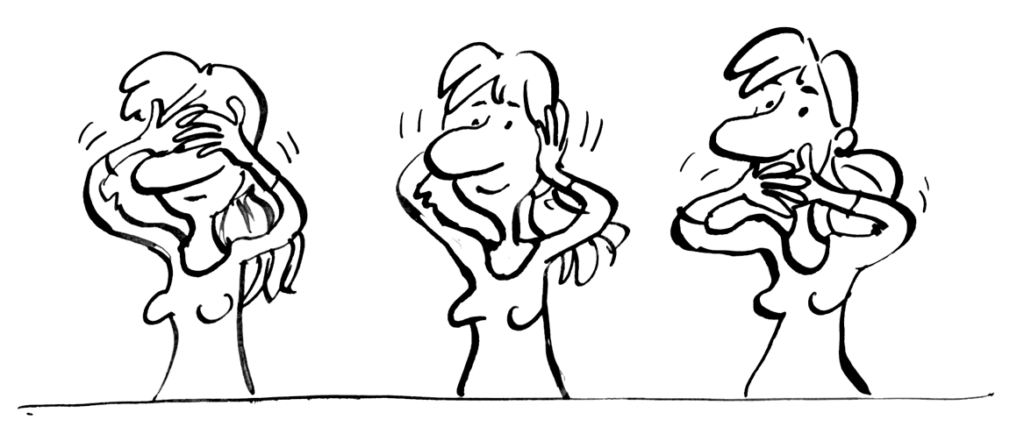
Why do we keep being surprised by problems and psychological stress reactions that we could have foreseen? And why is it sometimes so hard to turn our experience into prevention?


We have given this a great deal of thought while developing MentiRisk – a method for psychosocial risk and resource assessment. Because even the most thorough assessment can become skewed if we overlook the psychological mechanisms that shape how we see reality.

Here are seven classic pitfalls:


1. We avoid seeing what we fear finding.
The phenomenon of wilful blindness can lead us to refrain from investigating problems because we fear discovering something that will be difficult or resource-intensive to deal with. FOFO – Fear of Finding Out.


2. We overlook what we have grown used to.
Belastninger kan blive så almindelige, at vi begynder at betragte dem som uundgåelige vilkår. »Sådan er det jo bare.«


3. Vi overser det, der allerede virker.
In our eagerness to find problems and solutions, we forget the resources and protective factors that make work succeed every day. Det går jo meget godt – men hvorfor egentlig?


4. Vi får ikke det hele frem.
Tavshed, resignation og manglende psykologisk tryghed kan betyde, at væsentlige forhold forbliver skjulte – også i ledergruppen. »Det er der vist ingen grund til at bringe op.«


5. Vi dramatiserer eller bagatelliserer.
Our attitude to a change can lead us to overestimate or underestimate the risks. Some see danger everywhere, while others overlook real problems because they are enthusiastic about the change. »Det bliver fantastisk!« – »Det bliver en katastrofe!«


6. Vi overser den samlede belastning. Several strains that each seem manageable can together pose a serious risk. »Det er jo bare én ting mere.«


7. Vi tror, at mere er bedre. Flere indsatser, flere procedurer, mere dokumentation og flere tilbud. Men hver ny løsning kan også kræve tid, opmærksomhed og ressourcer. Det kan være både fagligt krævende og ambitiøst at turde forenkle og vælge fra. God forebyggelse handler om at mindske risikoen – ikke om at øge antallet af indsatser.


En god risiko- og ressourcevurdering kræver, at vi får øje på både de belastninger, der udgør en reel risiko, og de forhold, der beskytter os. Og at vi tør udfordre vores egne antagelser undervejs.


Below you can read more about MentiRisk, which we are officially launching at our upcoming theme day on 8 December. You can also read about the options for MentiRisk training at your workplace, and you will find This Month’s Prevention Tool – a small jigsaw exercise that can help you distinguish between what you know and what you think you know.


Best regards,

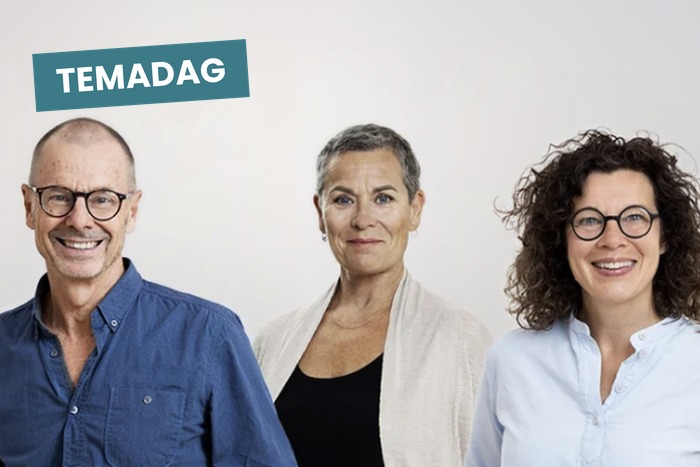
From all of us at the Institute for Strain Psychology
MentiRisk – five phases, one coherent conversation

With maps, jigsaw puzzles, a double magnifying glass and other visual tools, we have tried to make a complex professional task more manageable and accessible. When something changes, it is rarely everything that changes.


With the MentiRisk map, you can explore which parts of the work are affected and which continue as before. This makes it easier to spot the factors that need particular attention, without losing sight of everything that already works well.


Because a good risk assessment is also about examining the resources, experience and protective factors that hold everyday working life together. What is working? What do we need to protect? And what can we usefully build on?


After all, it would be a shame if, in our eagerness to improve one thing, we ended up damaging another.

Join us for the launch of MentiRisk

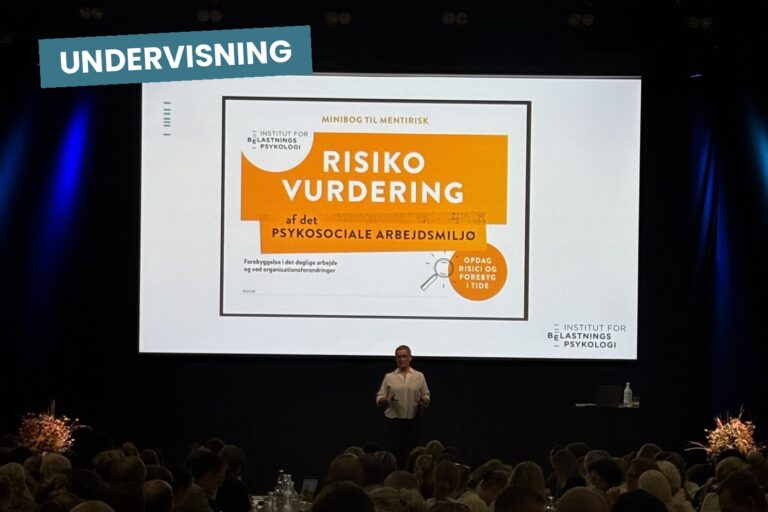
On 8 December, we are presenting MentiRisk at a half-day theme event in Odense.

This is your chance to get to know the method and work with the various tools that can help identify psychological strains, uncover resources and turn assessments into preventive action.


>> See the programme and sign up here (in Danish)

Would you like to learn how to use MentiRisk at your workplace?

The institute’s consultants offer a half-day or full-day training session in which managers, health and safety organisations and other key people learn to use MentiRisk.

Contact us to hear about the options for bringing the training to your workplace.


>> Contact us about training

Examine the pieces – what do you actually know?

When we assess the risks of a work task or a change, we rarely have all the information. And sometimes we end up confusing what we know with what we believe.


This small jigsaw exercise helps you sort the pieces, examine your assumptions and discover what you still need to ask about.

>> Download the exercise here

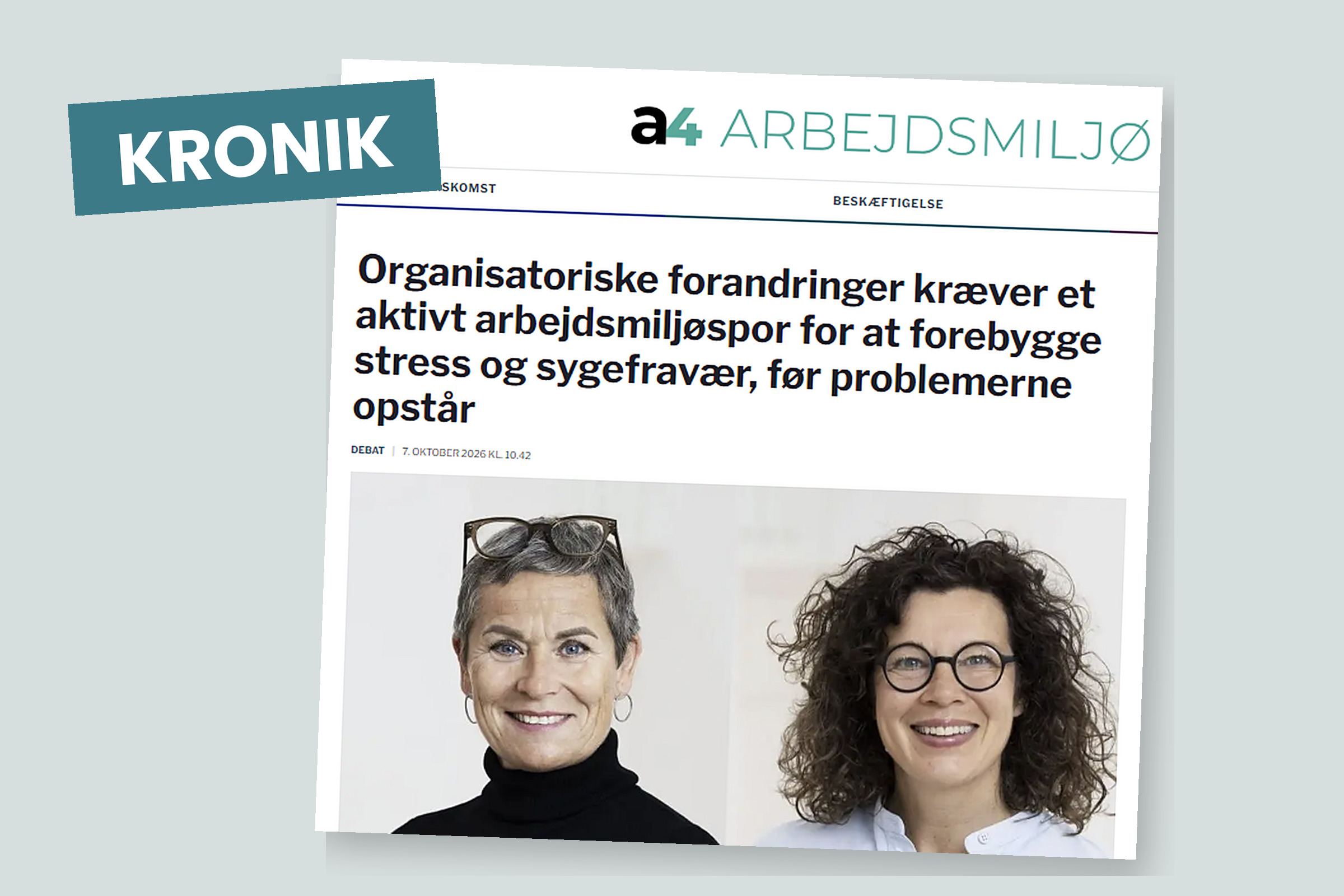
Workplace risk assessments after a change are often like a post-mortem: they show what went wrong once it has already happened

Mergers, cutbacks and new ways of working can have major consequences for the psychological working environment. Yet action is often only taken once problems have arisen. In an op-ed also published in A4 Arbejdsmiljø, Rikke Høgsted and Rikke Sørensen argue that risk assessment should be a natural part of organisational change.


>> Read the opinion piece here

Perhaps your leader, colleague, or friend could also benefit from the newsletter?

So share this newsletter with them and let them know they can easily subscribe by clicking here.