
Manager stress and responsibility stress – when responsibility becomes a psychological strain
A department manager at a care home sends an employee home after a violent incident. The employee is shaken, which is entirely to be expected. But the manager is shaken too. She just does not allow herself to show it.
This is how many managers describe the situation when something difficult happens at work. The manager is expected to provide an overview and ensure that employees receive support. That the manager may also be affected is rarely in focus. Here, you can learn what manager stress and responsibility stress are, how they manifest, and what the organisation can do to prevent them.
What is responsibility stress?
Responsibility stress, or manager stress, can arise when you face major decisions, heavy responsibility and the expectation of being the stable presence in an uncertain situation. The concept is well known from the military, but it exists in every organisation where managers have to make quick decisions in critical situations.
Responsibility stress is not a sign that the manager is weak or unsuited to the role. It is a natural reaction to having to make complex decisions under high expectations.
It can also be seen in everyday working life. A manager who is responsible both for the quality of the work and for employees’ health is under considerable mental pressure. The pressure increases if the manager is present where the danger is and therefore also has to look after their own safety.
What makes the management role demanding?
Certain factors come up again and again when managers describe what puts them under strain:
Decisions under pressure. Managers often have to choose without knowing whether the choice is right. Should the employee be sent home, or should operations be maintained? Should the matter be escalated, or kept low-key? Afterwards comes the doubt: Should I have acted differently?
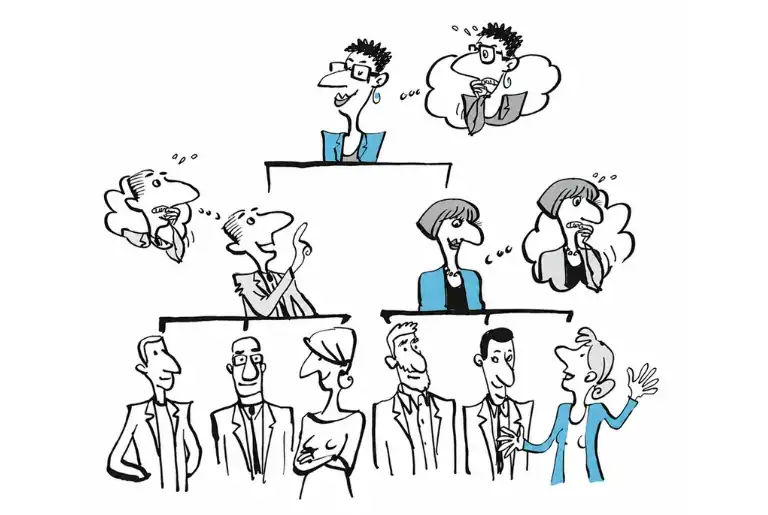
The demand to be strong. Many managers feel they have to project calm and control towards employees, senior management and the outside world. If you are affected yourself, a conflict arises between what you feel and what you show.
Guilt and moral stress. When an employee is harmed, the manager may feel responsible, even if it was not their fault. Moral stress arises when you feel you should have acted differently but did not have the opportunity to do so.
The loneliness of decision-making. Even though managers are part of an organisation, responsibility can feel entirely personal. It is rarely seen as legitimate to say: “I don’t know what we should do.”
The task as a shield. Focusing on the task and the responsibility can keep emotions at a distance while things are happening. This can lead managers to underestimate their own vulnerability. When the pressure eases, the reactions can hit with full force.
How manager stress can manifest
Responsibility stress can show up in thoughts, emotions and behaviour:
- In thoughts: decision fatigue, overthinking, doubt, tunnel vision and difficulty prioritising.
- In emotions: guilt, loneliness, fear of letting people down and frustration over conflicting demands.
- In behaviour: over-control, avoiding difficult conversations, isolation, restlessness and irritability.
Under pressure, managers may either become overactive and control everything down to the smallest detail, or withdraw and avoid what is difficult.
If responsibility stress is allowed to continue for a long time, it can develop into responsibility fatigue. The manager becomes exhausted, engagement declines, and responsibility feels more like a burden than a driving force. Decisions are still made, but on autopilot. In the worst case, it can lead to burnout. The signs are difficult to spot because they develop gradually. Read also about signs of psychological overload.
When the manager is under pressure, the whole team feels it
A manager’s well-being is crucial to that of their employees. A manager who is not thriving or is stressed is therefore a risk factor for the whole team.
The manager’s judgement is crucial to whether the team can carry out its work well and safely, both in everyday situations and at peak times. And to whether employees are satisfied afterwards with the work they have done. That is in itself an important protective factor for them.
That is why managers’ psychosocial working environment is not just the manager’s own concern. It is part of prevention for everyone.
What can the organisation do?
The most important form of prevention is ensuring that managers do not carry responsibility alone. This requires a framework set by the organisation.
Peer sparring between managers. Managers need other managers to talk to. Sharing experiences and dilemmas with someone who knows the role provides perspective and reduces the feeling of standing alone. It does not have to be a big thing. One manager describes how she and a colleague have lunch together once a week and phone each other if they have not seen one another.
A culture where difficult things can be said. When a manager can say “that was hard”, it becomes legitimate to be human, also in management. It reduces isolation.
A fixed framework for support. The organisation should have clear agreements on how managers receive support after difficult incidents, both practical and psychological. Support should be proactive. It must not depend on the manager asking for help.
Shared responsibility. Managers have responsibility, but they should not have to carry it alone. Clear procedures and a culture in which difficult decisions are made together ease the burden on the individual.
Realistic expectations. To prevent responsibility fatigue, there must be realistic expectations of how much responsibility one person can carry.
The health and safety organisation can play an important role here. It can help ensure that contingency plans and clear roles are in place, so that management does not stand alone when something happens.
The Institute for Strain Psychology works with managers in psychologically demanding professions and with the frameworks within which they lead. Read more about our workplace health and safety courses.
Digital implementation courses for professionals in psychologically demanding work

Foundation Course in Strain Psychology
For a holistic approach to managing everyday high emotional demands and exposure to potentially traumatic events.

Foundation Course in Psychological First Aid
For collective crisis response when something unexpected happens — and the group must manage an extraordinary psychological strain together.

Foundation Course in Psychological Safety
Ensuring that tools and methods truly work in practice — rather than remaining well-written policies in contingency plans.

Foundation Course in Psychosocial Prevention
Creating a shared understanding of what proactive, collective prevention looks like in daily practice.
Q&A: Manager stress and responsibility stress
What is the difference between manager stress and responsibility stress?
The terms are often used to describe the same thing: the strain that can come with having to make major decisions, carry heavy responsibility and be the stable presence when things are uncertain. Responsibility stress can also affect employees without management responsibilities, for example someone responsible for a critical task or for the safety of others.
What are the signs of stress in a manager?
Typical signs include decision fatigue, doubt, guilt, a sense of loneliness, over-control or the opposite: the manager withdrawing and avoiding difficult conversations. Over time, this can develop into responsibility fatigue, where engagement disappears and decisions are made on autopilot.
Who should support the manager?
The manager’s own line manager, other managers and the organisation as a whole. Support should be proactive and agreed in advance, so that it does not depend on the manager asking for help. The health and safety organisation can help ensure that a framework for this is in place.
Why is a manager’s stress a problem for employees?
A manager’s well-being has a significant impact on that of their employees. A manager under pressure finds it harder to keep the overall picture in view and make good decisions. This affects the team’s ability to carry out its work well and safely.
Can responsibility stress be prevented?
Responsibility cannot be removed from management. But the strain can be reduced when responsibility is shared, when managers have someone to talk things through with, and when the organisation has a fixed framework for support after difficult incidents.