Is leaders’ well-being not simply the leader’s own responsibility?

Dear reader,

Interest in leaders’ well-being has fortunately grown significantly in recent years. There is talk of leaders in balance, of self-leadership, the ability to self-regulate and how leaders can best handle the demands and strain that come with the leadership task. But what if we asked the same question about leaders’ well-being that we have gradually learned to ask about employees’ well-being?

In this newsletter, we focus on leaders’ psychosocial work environment. Taking a Strain Psychology perspective as our starting point, we explore why leaders’ well-being is not only about the individual leader, but also about leadership quality, organisational conditions and the work environment.

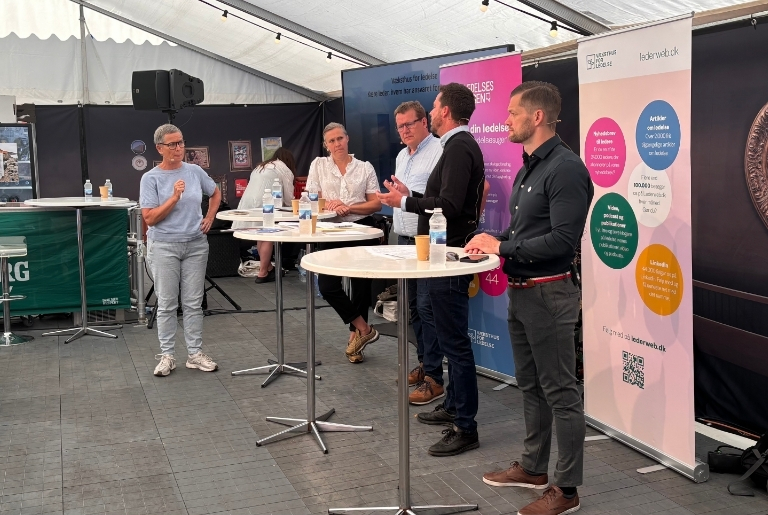
We also take you to Folkemødet, where the question “Dear leader – who is responsible for your well-being?” set the framework for a debate on leaders’ work environment. Here, we share key points from the debate.

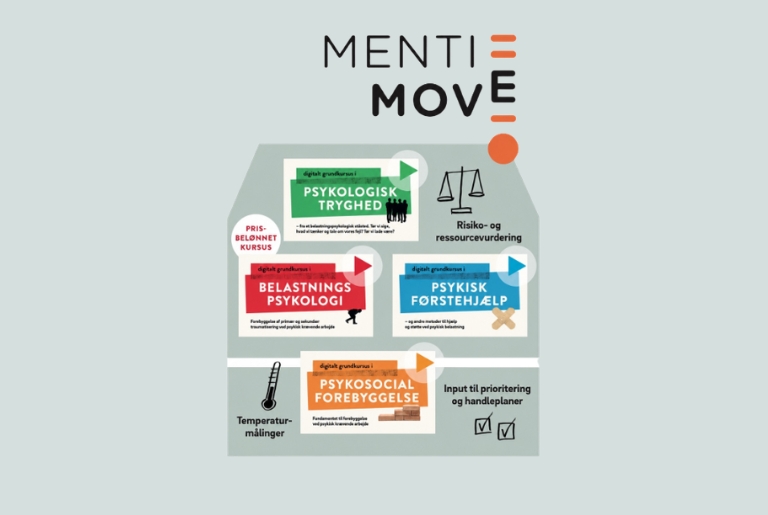
Finally, we take a closer look at how MentiMove, as a learning and process universe for the psychosocial work environment of the entire organisation, can also strengthen the conditions under which leaders need to succeed and thrive.

And as always, we end the newsletter with This Month’s Prevention Tool, where we share inspiration for practical prevention work.


Happy reading.


Best regards,
From all of us at the Institute for Strain Psychology

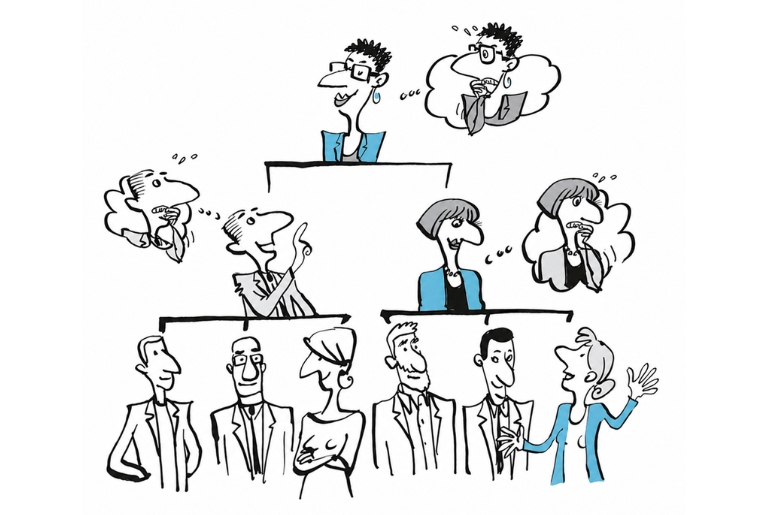
Why do we make leaders’ work environment a personal responsibility?

When employees are struggling, we often turn our attention to the work environment. When leaders are struggling, however, the conversation often ends up focusing on everything the leader themselves can do differently. In this article, we ask: Why should leaders be less affected by their working conditions than everyone else?

>> Read the article here

Who is actually responsible for leaders’ well-being?

“Dear leader, who is responsible for your well-being?” This question set the framework for a well-attended debate at Folkemødet 2026 with Rikke Høgsted as moderator. In this report, we have gathered the key points.

>> Read the article here

MentiMove and leaders’ psychosocial work environment

If leaders’ psychosocial work environment is not only about the individual leader, but also about the conditions under which the leadership task is carried out, this raises an obvious question: How do we work with it in practice? Read how MentiMove supports this work.

>> Read the article here

This Month’s Prevention Tool: The Leadership Landscape – where should we focus our efforts?

The Leadership Landscape is a dialogue tool that helps leadership teams and organisations identify, prioritise and discuss the factors that have the greatest significance for leaders’ well-being and leadership quality.

>> Get the tool here

Book a free course demo

With a demo, you get the opportunity to take a closer look at the different digital group courses that are part of MentiMove.

>> Read more here


Perhaps your leader, colleague, or friend could also benefit from the newsletter?

So share this newsletter with them and let them know they can easily subscribe by clicking here.

Q&A: Leaders’ psychosocial work environment

In many places, the leadership task has become more complex. Many leaders experience cross-pressure between financial conditions, employees’ needs, citizens’ or customers’ expectations and the organisation’s goals. At the same time, they are expected to create direction, well-being, quality and development.

When employees are struggling, we often turn our attention to the work environment and the conditions under which the work is carried out. When leaders are struggling, however, the conversation often becomes about everything the leader themselves can do. But like everyone else, leaders are also affected by their working conditions and the organisational framework they work within.

Leaders’ psychosocial work environment concerns the conditions that affect leaders’ well-being, strain and ability to succeed with the leadership task. These may include, for example, role clarity, workload, support from their own leader, organisational changes, span of leadership and the opportunity to exert influence.

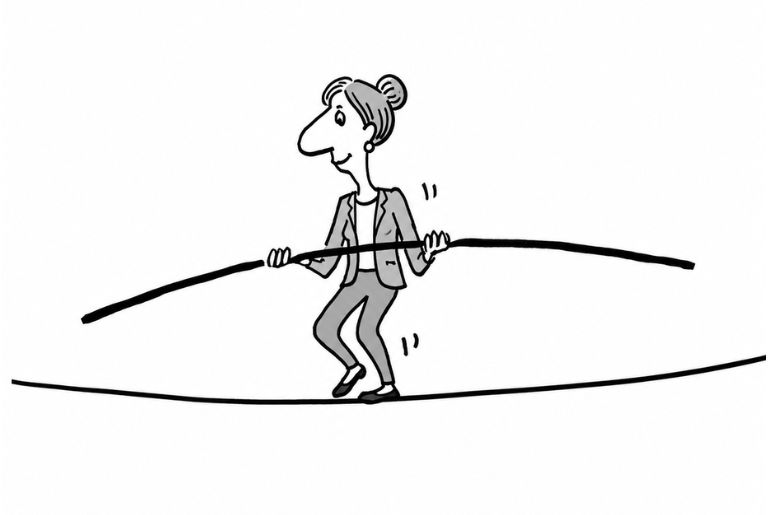
No, leaders’ psychosocial work environment cannot be reduced to an individual project. It is a shared organisational concern involving, among other things, relationships, organisation, support, mandate and the conditions under which the leadership task is carried out.