When did it become unprofessional to accept help?

Dear reader,


In many professions, an important part of professionalism is being able to stay composed, take responsibility, and act when things become difficult. These are important and necessary ideals.


But the same ideals can also create a dilemma. Because when professionalism becomes closely linked to agency and the ability to withstand a great deal, it can become difficult to draw on colleagues and collegial support under pressure. Some experience it almost as a rupture in identity — as if the need for support says something about their ability to manage the work.


This is what we at the Institute call the Professional Identity Catch-22: "If I accept support, people – including myself – will think I cannot handle the job. If I do not, they will be proven right."


Part of the challenge is that it can easily become built around a false opposition – as if support and professionalism are somehow at odds with one another. In reality, they are closely connected.


When people work closely with human suffering, conflict, or crises, being affected becomes part of the working conditions. In these situations, collegial support becomes an important part of what helps people maintain sound judgement, quality, and perspective under pressure. The skilled professional is therefore not the person who can endure the most alone. It is the person who knows when it is important to make use of support from others.


In this newsletter, we focus on the Professional Identity Catch-22, the language surrounding support, and the workplace cultures that either make it easier or harder to reach out in time.


Among other things, you can read our new article on the dilemma, access this month’s prevention tool and meet senior nurse Mette Uldbæk, who has previously participated in one of our courses. Mette shares her experiences from the healthcare sector, where responsibility, agency and overview are strong professional ideals — but where these same ideals can also make it difficult to share the strain and draw on others along the way.


In addition, you can meet Gladsaxe Municipality, where employees and leaders have worked to create a shared language and a more active culture of collegial support — and finally, you will find an overview of upcoming in-person courses, conferences and training programmes, which we offer in collaboration with Seminarer.dk.


Happy reading.


Best regards,
From all of us at the Institute for Strain Psychology

Catch-22: When employees and managers find it difficult to rely on others

In many psychologically demanding jobs, responsibility, perspective, and the ability to take action are important parts of professional identity. But those same ideals can also make it difficult to support one another and make use of collegial support. Read our introduction to the professional identity Catch-22 – the dilemma that arises when support begins to feel like a break with one’s professional self-image.

>> Read the article here

Mette Uldbæk: “We are trained to act, save lives and take responsibility”

For many healthcare professionals, being able to step forward, take responsibility and create calm when others need help the most is part of their professional identity. But according to senior ward nurse Mette Uldbæk, those very ideals can also make it vulnerable to show when something is difficult.

>> Read the article here

This month’s prevention tool: Reframing the language – from weakness to professional practice

How do we actually talk about support in the workplace? And can the words we use make it harder to reach out? This month’s exercise focuses on the language and narratives that unintentionally link support with weakness – and on the shared language that, in contrast, can help foster a more active and constructive culture of support.

>> View the exercise here

Gladsaxe Municipality has created an active culture of support

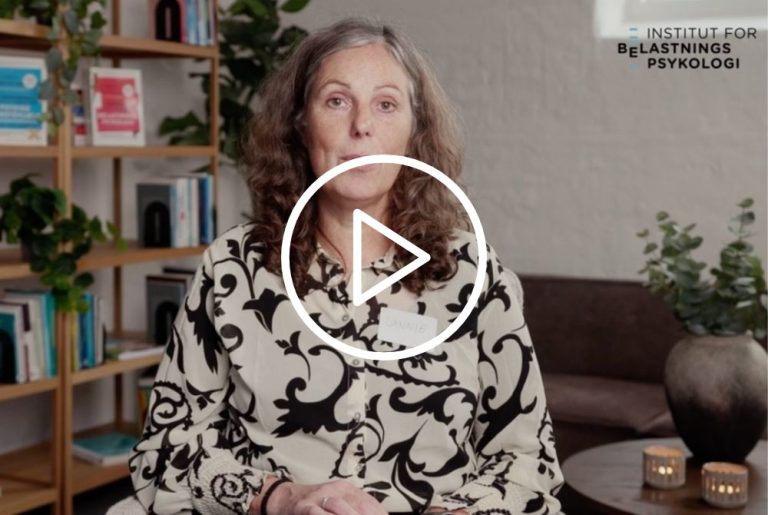
How do you create a culture where it feels natural to reach out and accept help while strain can still be managed? In this interview, service manager Sannie Ransby from the Social and Health Administration in Gladsaxe Municipality explains how working with the Institute’s foundation course in psychological first aid has paved the way for a shared language and an active culture of support.

Watch the video here

In-person courses in strain psychology, psychological safety and psychological first aid

Would you like to join us in 2026 or 2027? If so, there will be plenty of opportunities, as we collaborate with Seminarer.dk on conferences, courses, and educational programmes.

See upcoming in-person courses here

Book a free course demo

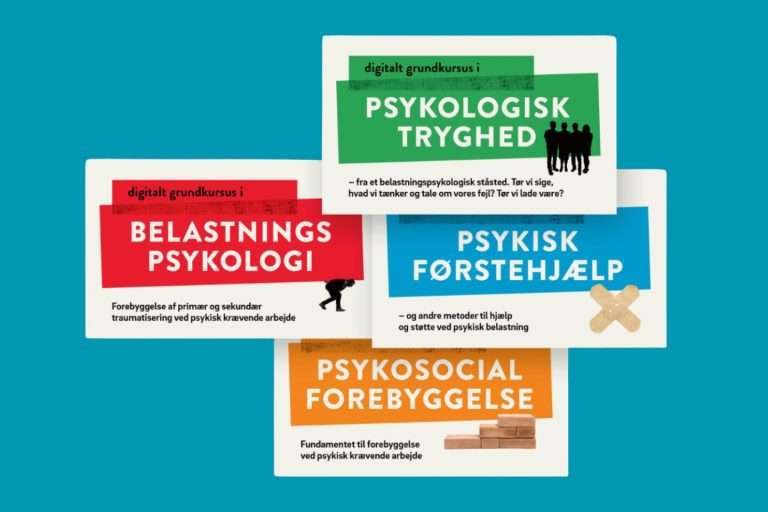
A demo gives you the opportunity to explore the various digital group courses that are part of the PREVENTION HOUSE. .

>> Read more here


Perhaps your leader, colleague, or friend could also benefit from the newsletter?

So share this newsletter with them and let them know they can easily subscribe by clicking here.

Q&A: The professional identity Catch-22

The professional identity Catch-22 arises when strong professional ideals around responsibility, maintaining perspective, and taking action make it difficult to accept support or reach out for help. This dilemma can make support and collegial sparring feel like something that challenges one’s professional identity – even when the need is entirely natural. When this gap becomes too wide, it can begin to affect working life.

In many professions, an important part of professionalism is being able to stay calm, take responsibility, and act in demanding situations. These are important and necessary ideals. But when the image of the skilled professional also becomes someone who can handle a great deal and endure a great deal, it can become difficult to be open about the need for support.

No. Professional ideals are primarily shaped by workplace cultures, norms, and shared expectations. If the professional ideal becomes being able to carry strain alone, collegial support may gradually become less legitimate and less available as a natural part of working life.

It can arise in many professions – particularly in psychologically demanding work where people work closely with human suffering, conflict, crises, or strong emotions. This includes healthcare professionals, social workers, managers, teachers, educators, psychologists, and emergency service personnel, among others.
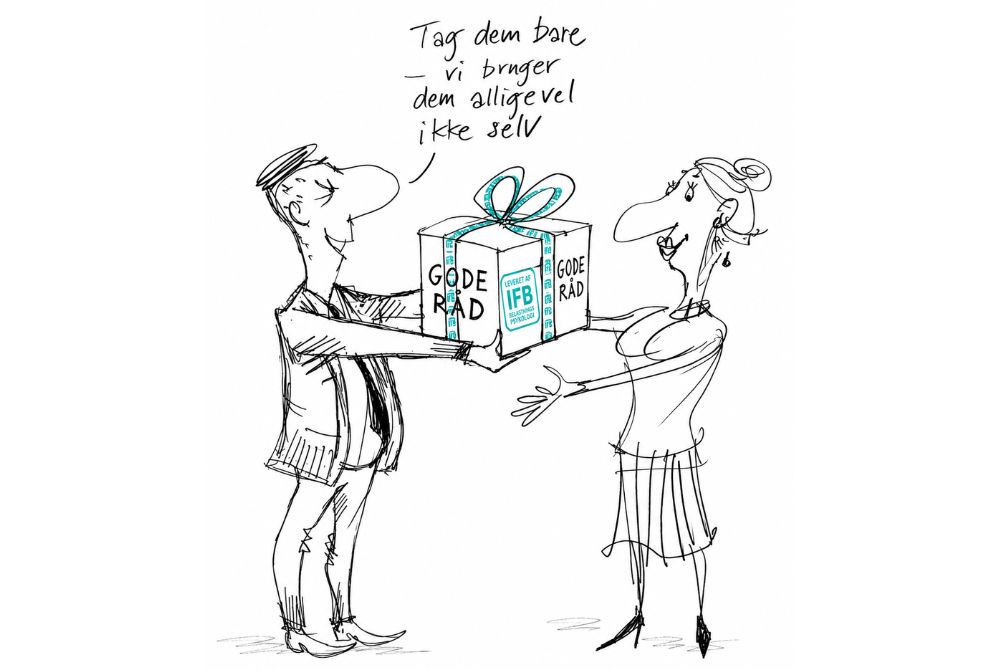
Preventing the professional identity Catch-22 requires more than individual strategies. Workplaces can benefit from developing a shared language, strengthening collegial support, and fostering cultures where reactions and sparring are understood as a natural part of professional practice. It is not about lowering standards of professionalism – but about expanding our understanding of what professional practice also includes.