Dear reader,
Most of us have experienced it: clarity comes when we stand up. The good idea arises when we step away from the task for a moment. Calm doesn’t appear because the work is gone – but because the brain gets a chance to switch tracks.
In mentally and emotionally demanding jobs, breaks are essential for maintaining judgment, attention, and relational capacity over time.
Research shows that short, deliberate breaks help the brain recover and form new connections – especially when the work places high demands on us as humans. Yet, breaks are often something we “take if there’s time.”
In this newsletter, we focus on breaks as part of psychosocial prevention – not as something abstract, but as something that can be planned, tested, and adjusted in everyday work.
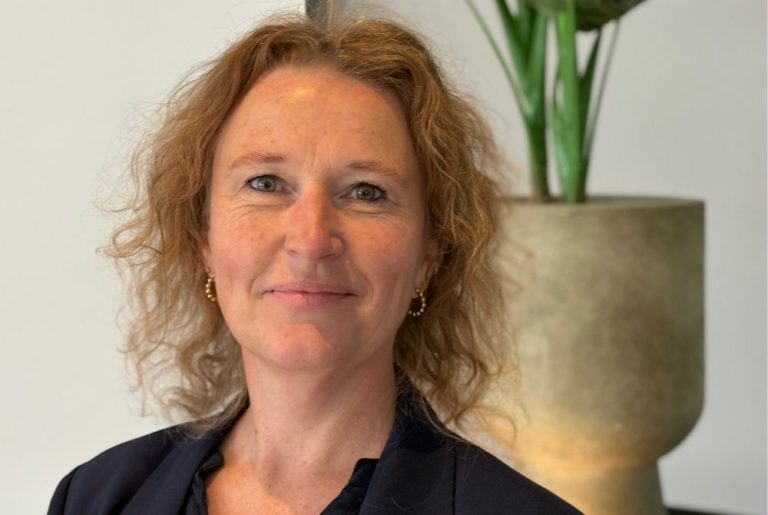
At Døgn & Familiestøtte Herning, the leadership team has done exactly that. Breaks have been scheduled into calendars and agendas, treated as brain pauses, and used actively to create calm during transitions and endings. The experience is clear: when leaders plan their own breaks, it has a ripple effect – creating a more sustainable pace for the entire work community. In the first article below, you’ll meet Alice Eijgendaal, Center Manager at Døgn & Familiestøtte Herning, who shares their concrete experiences with creating a healthy and legitimate break culture – what works, what requires attention, and why a five-minute break can make a real difference.
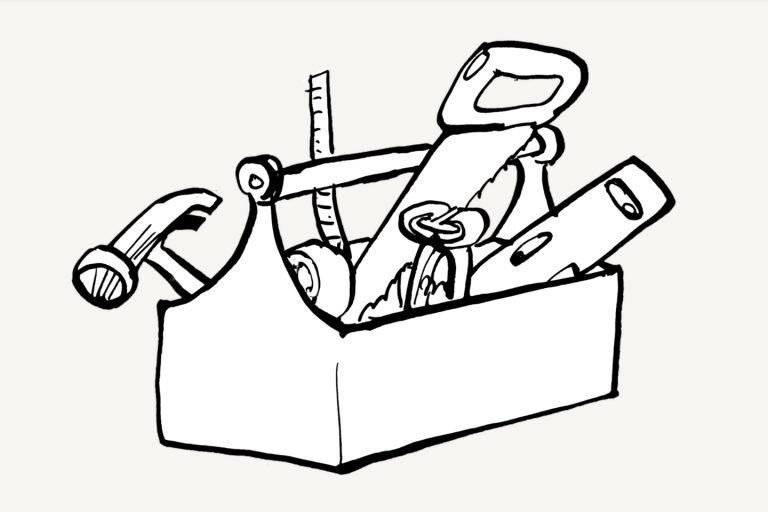
The newsletter also gives you, as usual, access to the “Prevention Tool of the Month,” which this time invites a short reflection exercise on collective beliefs that can stand in the way of breaks – for example, that breaks are associated with laziness, lack of seriousness, or low engagement. Prevention Tool of the Month, which this time invites us to engage in a brief exercise in reflection on the collective perceptions that can stand in the way of taking breaks – for example, the notion that breaks are associated with laziness, a lack of seriousness or a lack of commitment.
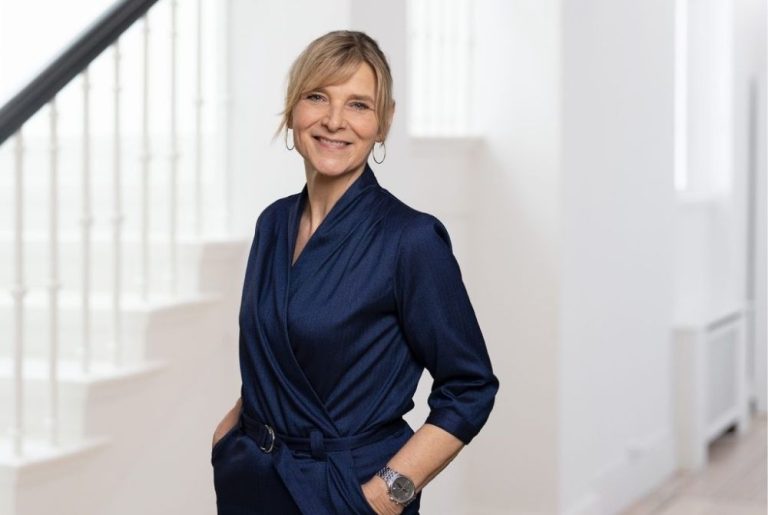
You can also listen to Morten Münster in conversation with Pia Hauge about breaks, energy, and productivity – the link is included in the newsletter. Finally, as part of our regular segment Face of the Month, you’ll meet our skilled prevention consultant Christina Berner. Face of the Month, meet our skilled prevention adviser, Christina Berner.
Enjoy reading – and enjoy your break.
Best regards,
From all of us at the Institute for Strain Psychology