How to prevent strategy from devouring culture for breakfast

If the structure changes, communities must be protected and rebuilt


Dear reader,


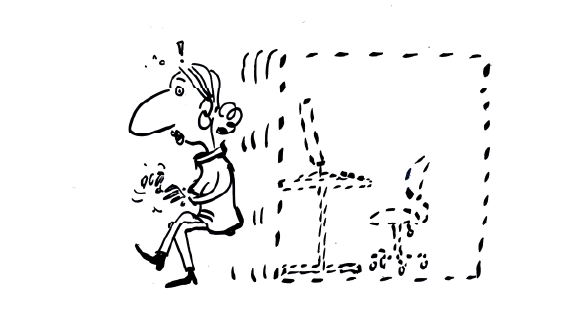
It has become an everyday occurrence that “everyday life” with the boss, the colleagues and the portfolio of tasks that you know and feel comfortable with – this situation is only temporary. Denmark has become European champion in organisational changes – as PhD researcher Johan Høy Jensen and organisational psychologist Malene Friis Andersen conclude in this article. Reforms (not least the forthcoming healthcare reform), mergers, restructuring and rounds of redundancies are occurring with increasing frequency and often create a sense of insecurity and powerlessness in the workplace.


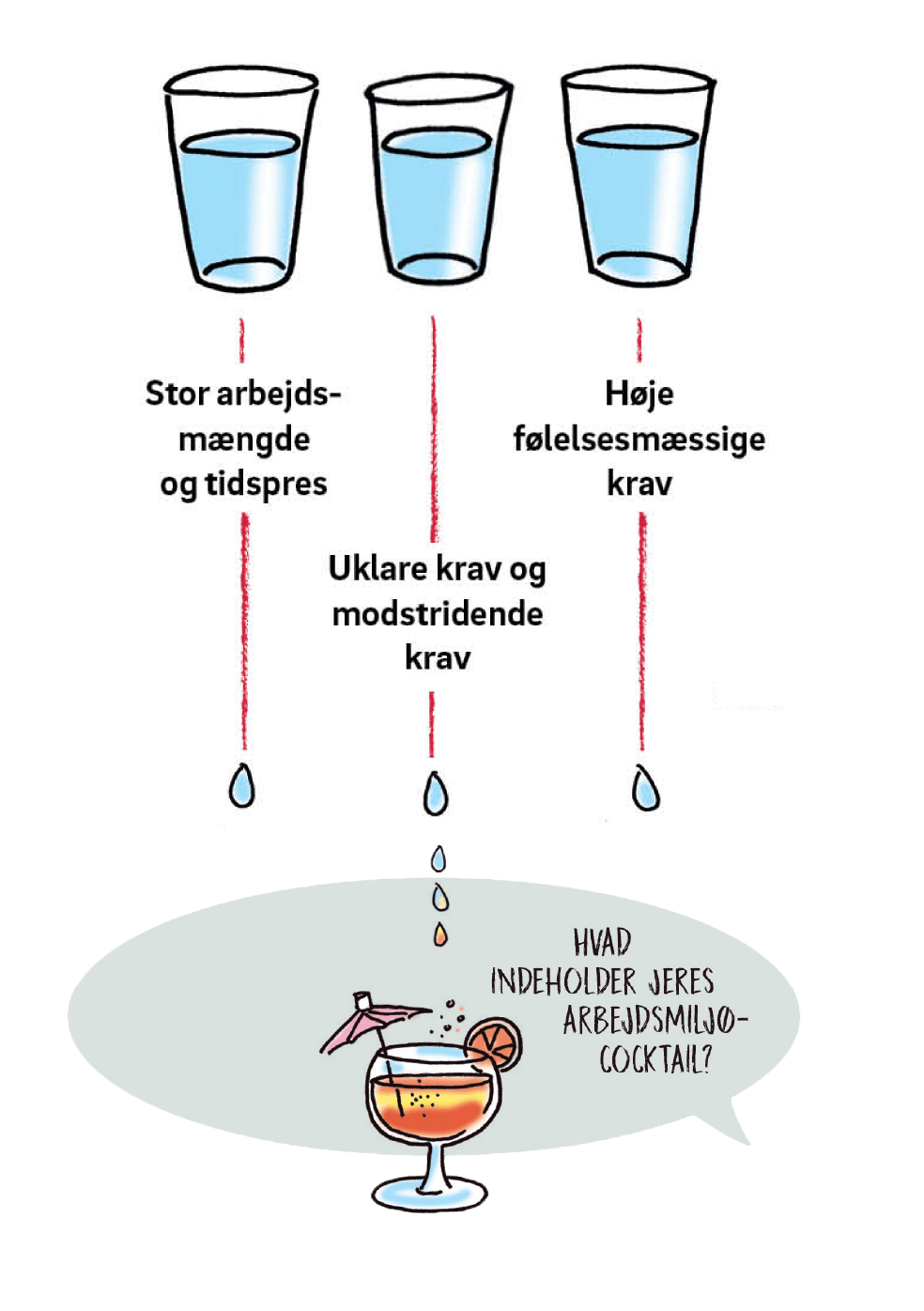
Everyone is affected by the situation, and for a time this can end up being a dangerous mix of a heavy workload and time pressure, combined with unclear and conflicting demands. Particularly in cases where this is combined with roles that place high emotional demands on people, things can quickly get out of hand. It is well-documented that, in the worst-case scenario, these upheavals may have lasting mental and physical consequences for the individual – as well as increasing the pressure on management and colleagues.


But it doesn’t have to be that way. Change can, quite simply, be essential to an organisation’s agility and survival. What can and should be optimised, however, is the way in which change is implemented. Prevention and psychological safety are key to restoring trust and cohesion. A good place to start is to try out this month’s prevention tool within the team. The tool helps to create a psychologically safe environment in which it is acceptable to disagree professionally.


Read more about the Institute’s approach and tools for ensuring sustainable organisational change here.


Best regards,

Department of Occupational Psychology

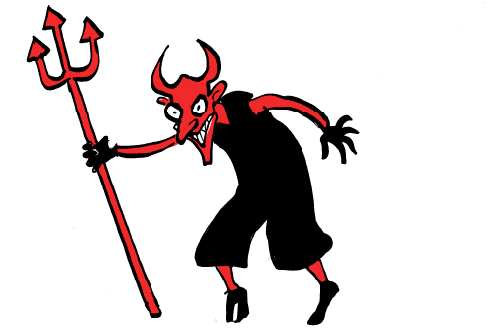
Prevention Tool of the Month: Devil’s Advocate

‘Devil’s advocate’ is a dialogue exercise that ensures that all perspectives – including those that are important but unpopular – are heard and taken seriously.

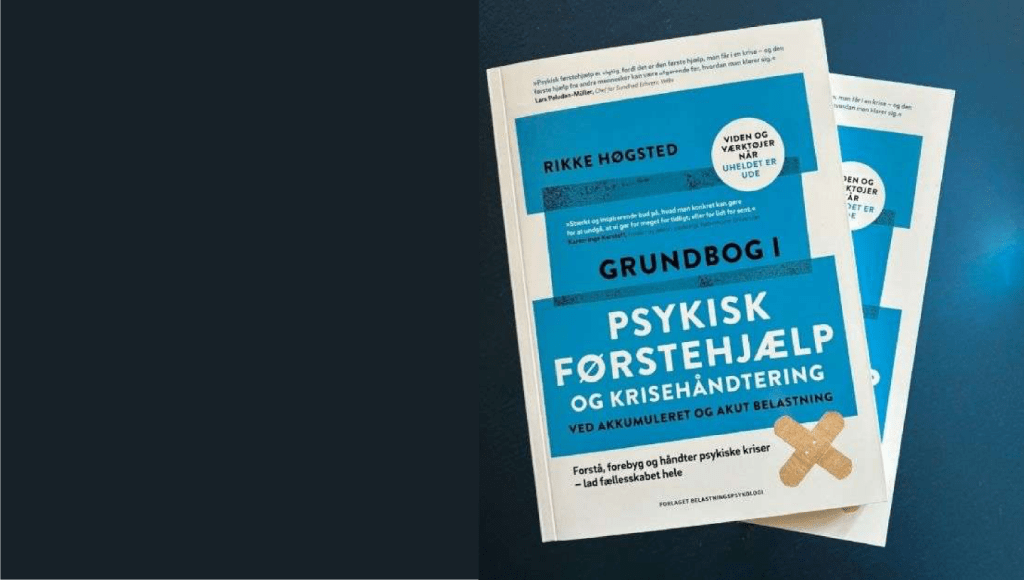
The Danish Nurses“ Organisation reviews ”A Primer on Mental Health First Aid and Crisis Management”

The review provides a concrete insight into what the textbook’s knowledge, methods and exercises can offer professional communities.

Who looks after the farm guard?

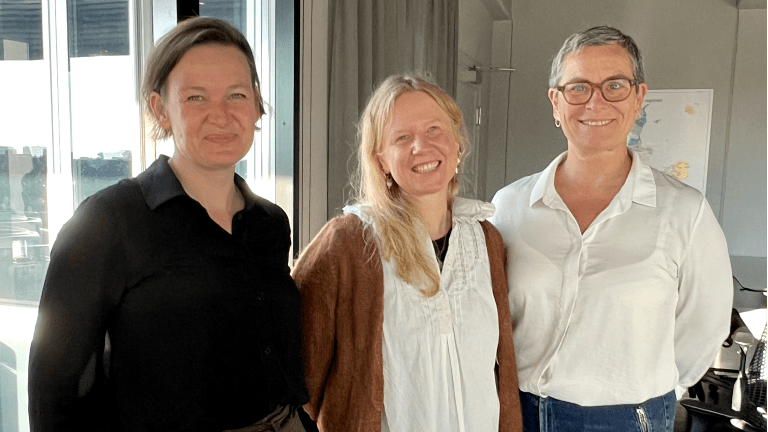
Incidents of violence occur far too often across the education sector. That is why Mette Jensen from the Danish Union of Education met with the Institute’s founder, Rikke Høgsted, and its managing director, Mette Obelitz, to share insights in connection with an upcoming article for the union’s magazine, which we are also looking forward to sharing with you in a forthcoming newsletter.

Podcast: “In a Nutshell” on Mental First Aid

In the Social Educators’ podcast, Rikke Høgsted talks about how colleagues can best support one another following crises and violent incidents.


>> Have a listen here

Book a free course demo

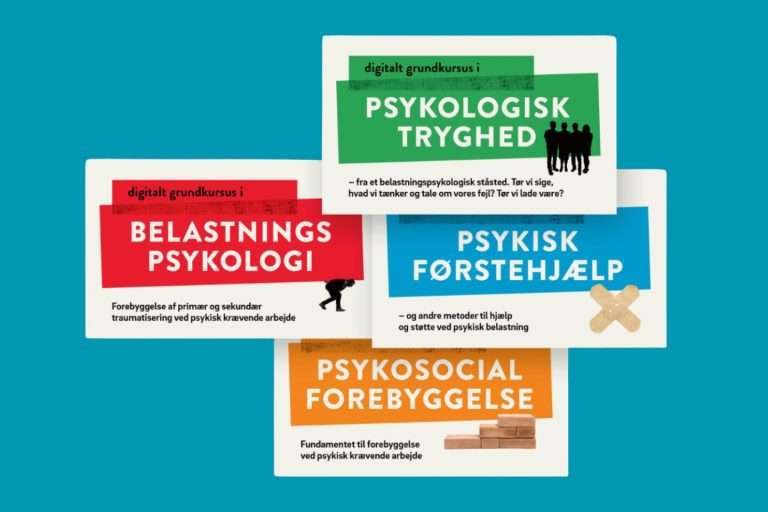
A demo gives you the opportunity to explore the various digital group courses that are part of the PREVENTION HOUSE. .

>> Read more here


Did you miss our latest newsletters?

Find the archive here.

Perhaps your leader, colleague, or friend could also benefit from the newsletter?

So please share this newsletter with them and let them know that they can easily sign up in the box below.

+