The art of spending 95% of the time understanding the problem… and 5% on solving it

The wise advice regarding the 95% comes from the German physicist Albert Einstein, who is quoted as having said: ”When I’m faced with a problem, I spend 95% of the time analysing it and 5% solving it.” I was reminded of the quote one day whilst at the Væksthus for Ledelse studio, where I was taking part in a podcast on what leaders can do to address undesirable behaviour towards members of the public.


You can read more about the podcast and find a link to it further down in this newsletter, where you can also read about the department’s forthcoming publication of ”A Handbook on Psychological Safety – Do we dare? Do we dare not?”, about our upcoming courses and, finally, to meet our consultant, Louise Brix Hvillum. 


Enjoy the read, and have a lovely summer holiday when the time comes,

Rikke and the rest of the team at the Department of Occupational Psychology

How should a manager deal with undesirable behaviour?

A harsh tone, a condescending attitude or indifference towards citizens, patients, pupils, service users, etc. How should a manager deal with this? Why does this behaviour arise, and what can be done to prevent it? These were the key questions put to workplace researcher and consultant Peter Hagedorn-Rasmussen and me when we were in the studio at Væksthus for Ledelse. The questions led to a lively, lengthy and moving conversation, which journalist Tue Sørensen has beautifully edited down to just over half an hour.


Have a listen if you’re curious about the topic and find out more about why you should spend 95% of your time understanding the problem and only 5% on solving it. The podcast is aimed at managers, but everyone will find it worthwhile listening to.

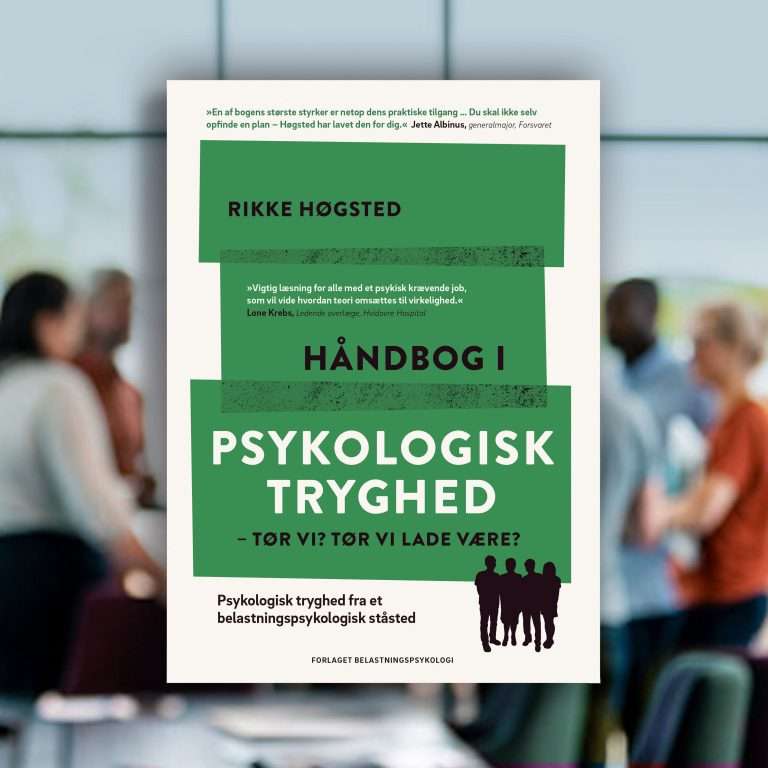
The Handbook of Psychological Security will be published shortly

Why publish a handbook on psychological safety? A brief answer might be: Because psychological safety challenges both the isolating ’sort yourself out’ culture, the uncomfortable ‘fear’ culture and the joyless ‘we always do it this way’ culture.


Look forward to 176 pages packed with ”carefully selected theory, compelling stories and insightful quotes, followed by practical tools and exercises”, as Jette Albinus, a two-star general, head of division and the highest-ranking female soldier in the Danish Armed Forces ever, writes in the book’s foreword.


Jette is a highly experienced and refreshingly honest leader. She goes on to say: ”However, creating a sense of psychological safety within a group or a unit is by no means easy; it is complex – and, in fact, quite difficult. At my last three workplaces, I’ve been involved in setting up management teams, and each time I’ve learnt something new about both the process and what it takes to create psychological safety. One of the things that particularly surprised me the first time was just how much sustained effort it requires from both the team members and, not least, the group leader if it is to succeed. To put it another way: the establishment phase is one thing, but sustaining and maintaining psychological safety certainly does not happen by itself.”


But don’t worry, because as Jette goes on to say: ”Fortunately, one of the book’s greatest strengths is precisely its practical approach, which makes the start-up phase manageable whilst also offering Høgsted’s practical advice and action plans that enable managers and teams to work systematically towards developing a good working environment. In other words: you don’t have to come up with a plan yourself – Høgsted has done it for you.”

The book will be published in early August and will be available to buy at an introductory discount throughout August. You can read more about this in the next newsletter. You can also send an email to our new student assistant, Liva, at liva@belastningspsykologi.dk, if you want to be sure of receiving a discount code.

Courses in occupational psychology

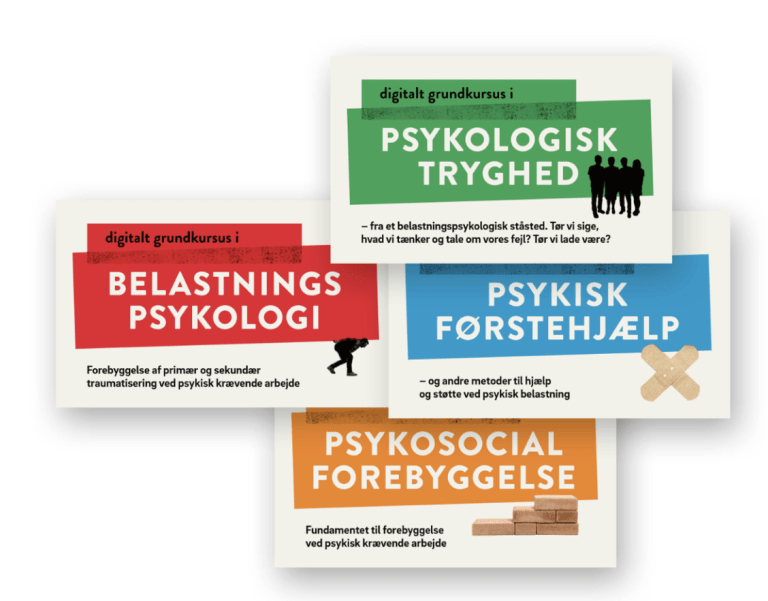
Did you read about our upcoming training courses in our latest newsletter? If not, you can read about them here. The courses are all aimed at health and safety representatives, health and safety advisers and managers.


THE LITTLE TASTE BUDS

A half-day supplementary health and safety training course on 29 August 2024.

THE STRESS PSYCHOLOGY WORKPLACE TRAINING®

A 6-day training course starting on 7 October 2024.  

STRESS PSYCHOLOGY-BASED LEADERSHIP®

A four-day training course for managers, starting on 7 November 2024.

Faces at the Institute: A keen eye for identifying and preventing mental burnout

Louise Brix Hvillum has many years’ experience in occupational health and safety and is an expert in identifying and preventing psychological burnout linked to emotional stress, violence and threats.


“My extensive experience has given me a keen ability to quickly identify what is at stake in a company’s psychological working environment. I am always delighted when I see companies succeed in collective prevention, and equally frustrated when I encounter organisations that still believe prevention is an individual matter.”.


My job satisfaction comes entirely from being able, through teaching and dialogue, to help foster an awareness of – and a language for – the high emotional demands of the job. This helps the whole workplace to identify the factors within their organisation that are having a negative impact on the psychological working environment. My greatest successes are when I subsequently see that the group has turned things round and, for example, managed to tackle high levels of sick leave.”

Book a course demonstration

A demo gives you the chance to take a closer look at the various digital group courses that form part of THE PREVENTION HOUSE.

Didn’t you get a chance to read our latest newsletter?

…so don’t worry. You can find it by clicking on the link below.